Why 2021 could be turning point for tackling climate change BBC News
Climate change Global carbon dioxide emissions reach record high
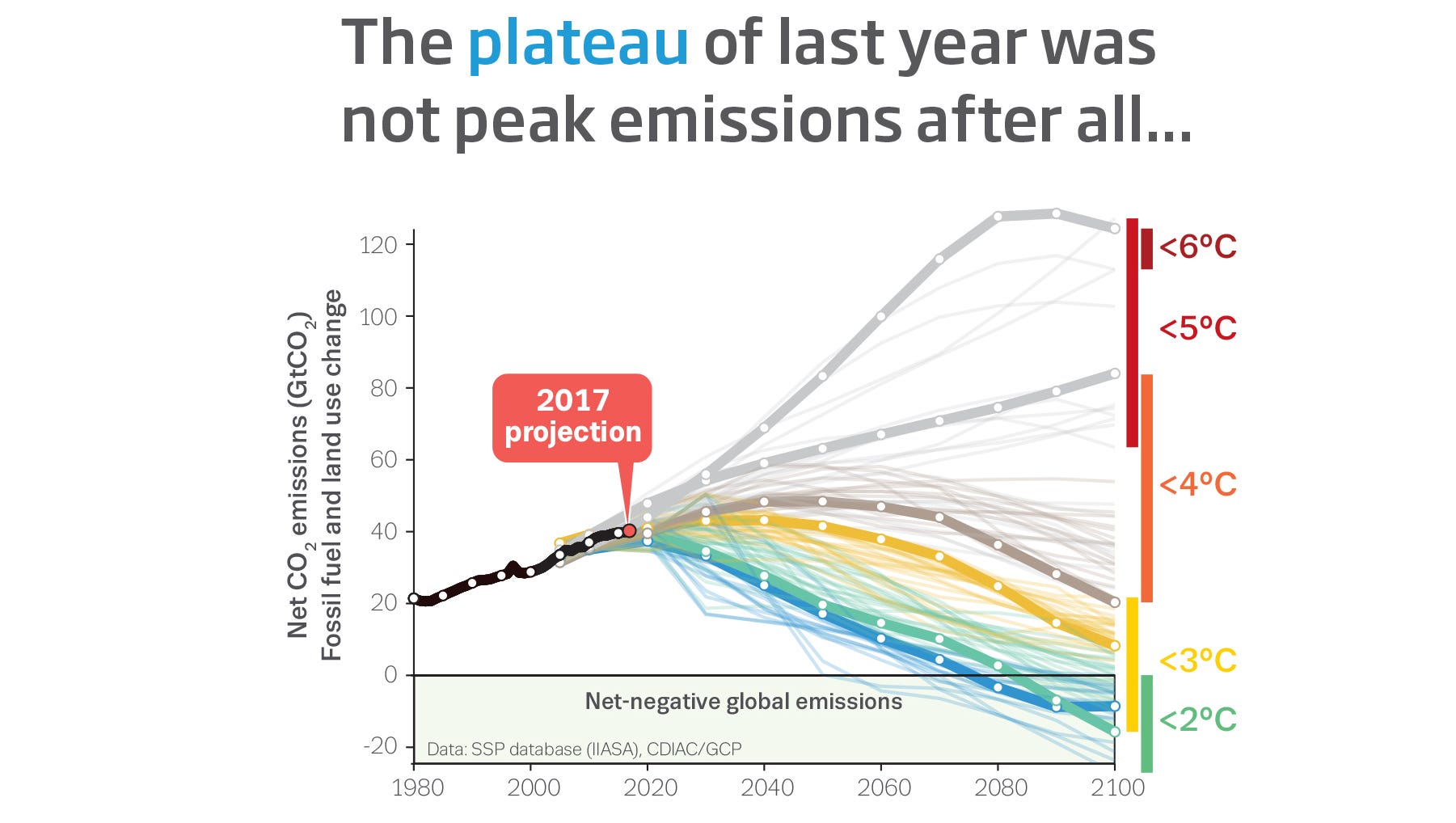
How have global emissions of carbon dioxide (CO 2) changed over time? In this chart, we see the growth of global emissions from the mid-18th century through to today.. Since 1751 the world has emitted over 1.5 trillion tonnes of CO 2. 2 To reach our climate goal of limiting average temperature rise to 2°C, the world needs to urgently reduce.
Understanding the Science of Climate Change

Students use global temperature data to create models and compare short-term trends to long-term trends.. carbon dioxide, or CO2, is the one that has been on the rise during the. Having half the class graph anomalies and half the class graph actual temperatures will allow for discussion about the visible differences between the trends and.
What is climate change? A really simple guide BBC News
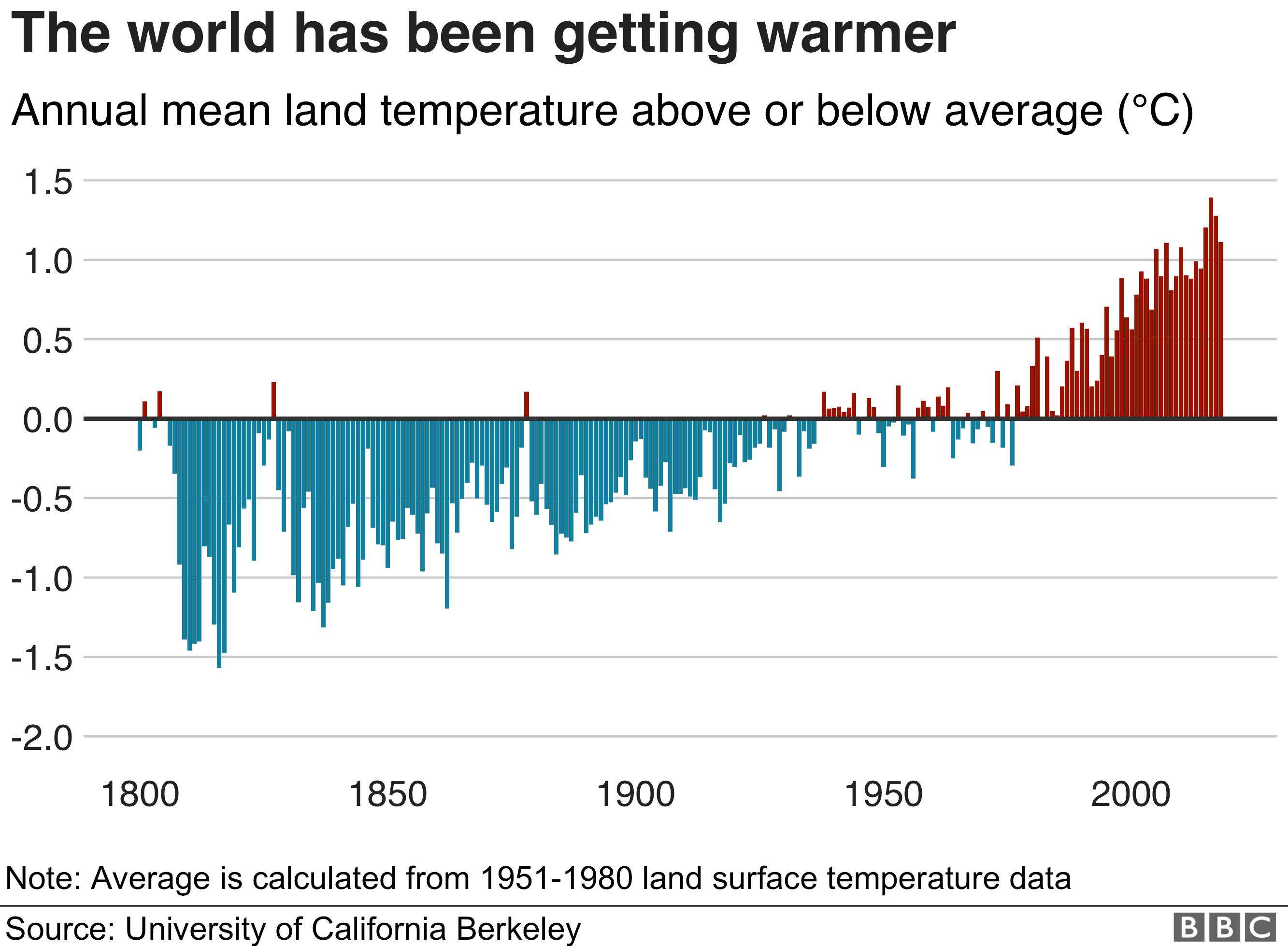
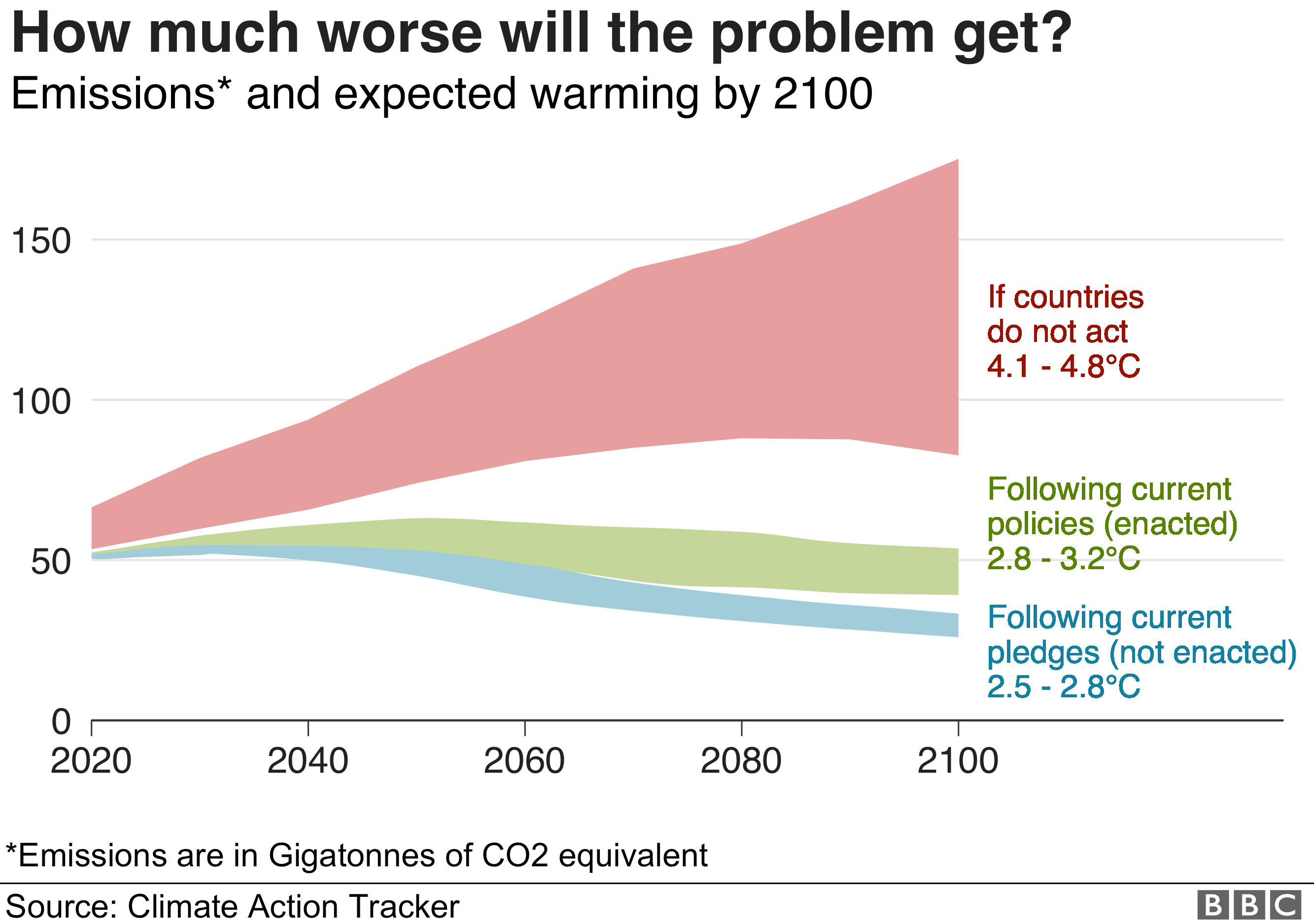
Earth's surface will continue warming: The report predicts that surface temperatures will continue to rise. Depending on the amount of greenhouse gases produced in the future, temperatures could rise by as little as 0.3°C or as much as 4.8°C. The mean temperature rise predicted under the IPCC's low emissions scenario (RCP2.6) is 1Â.
Causes of Climate Change Climate Change Science US EPA
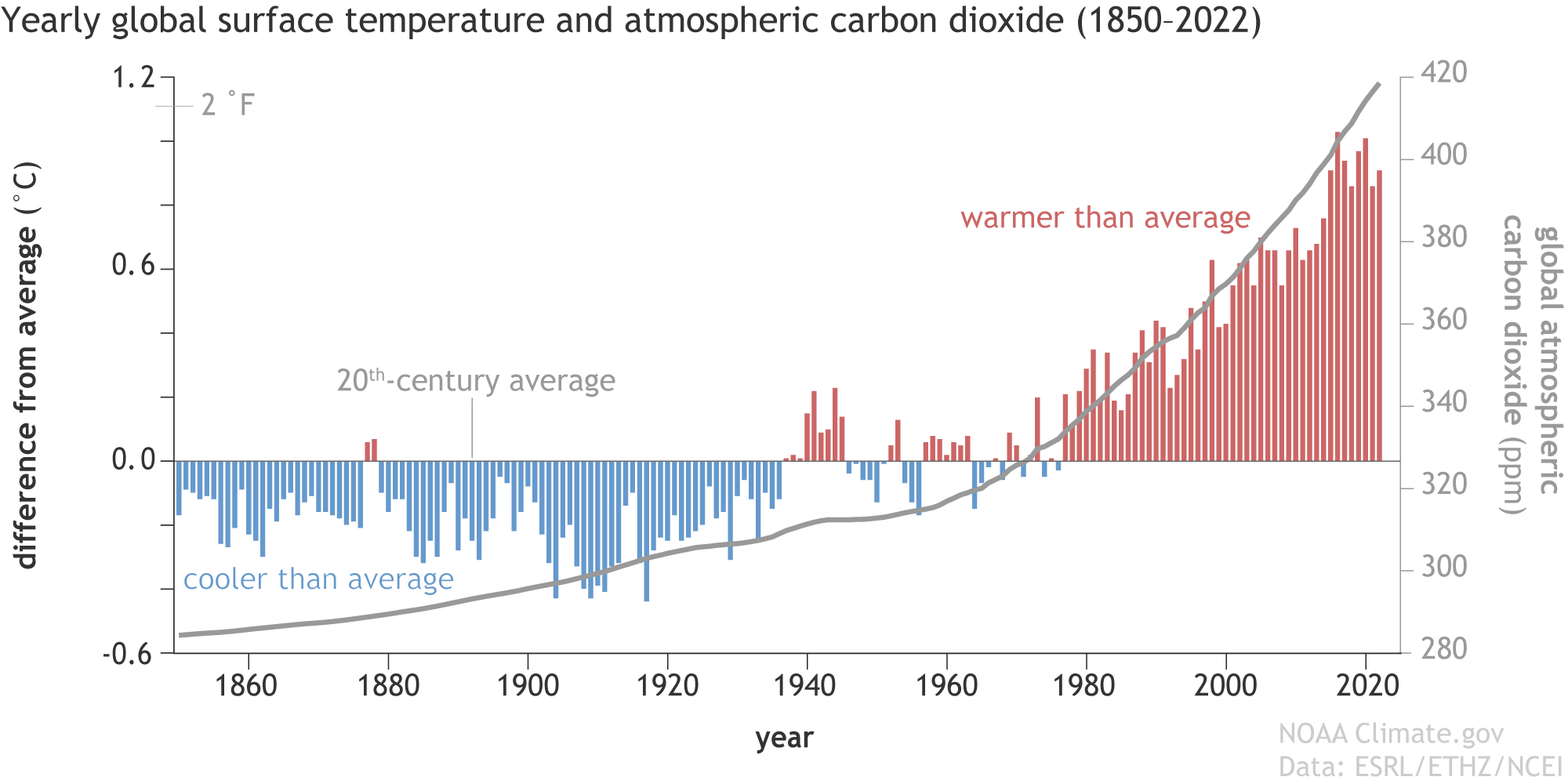
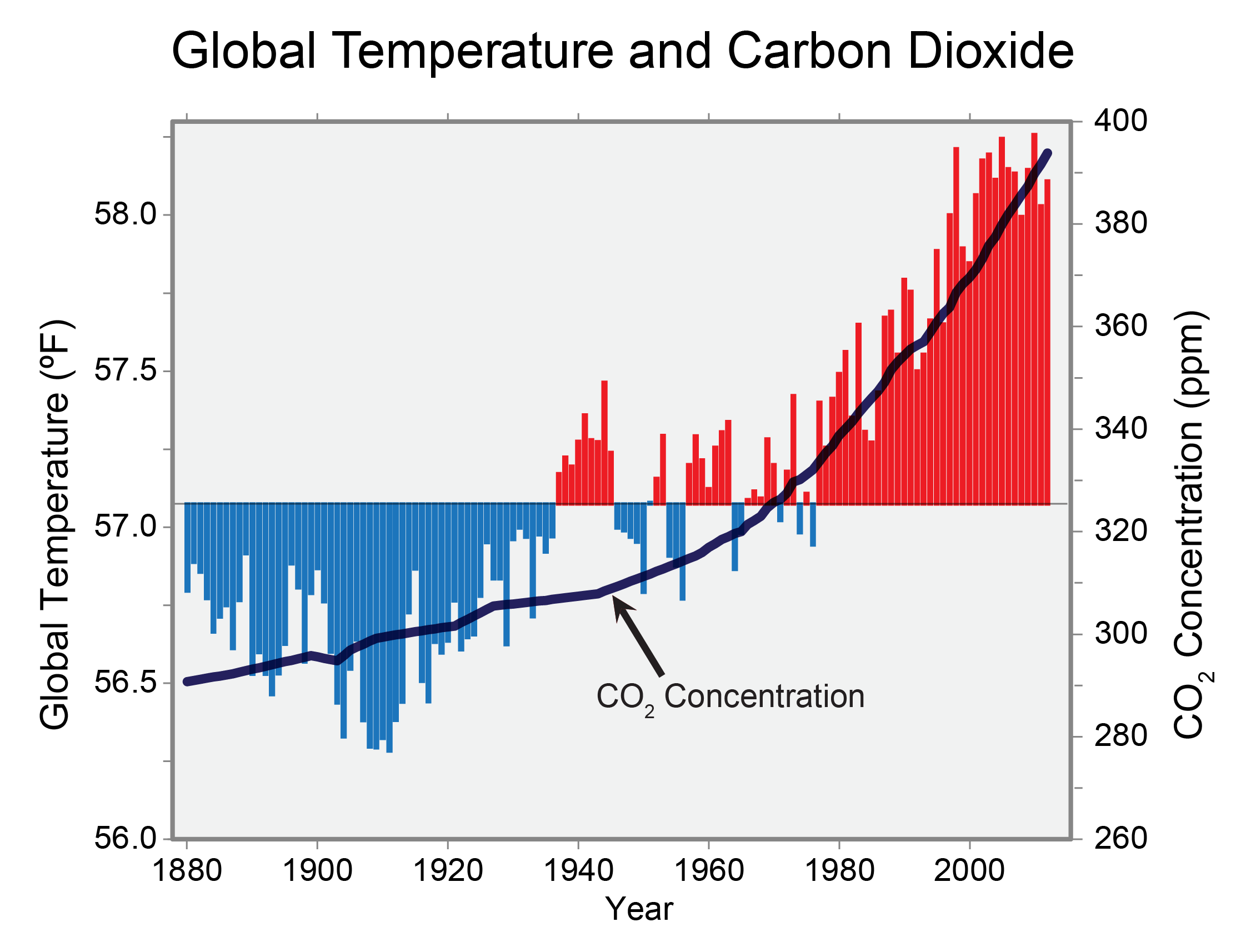
As the graph above shows, both global temperature (colored bars) and atmospheric carbon dioxide (gray line) increased more slowly during the first half of the observational record in the late nineteenth and early twentieth centuries.. Atmospheric carbon dioxide levels rose by around 20 parts per million over the 7 decades from 1880-1950.
What Is Causing Global Warming?
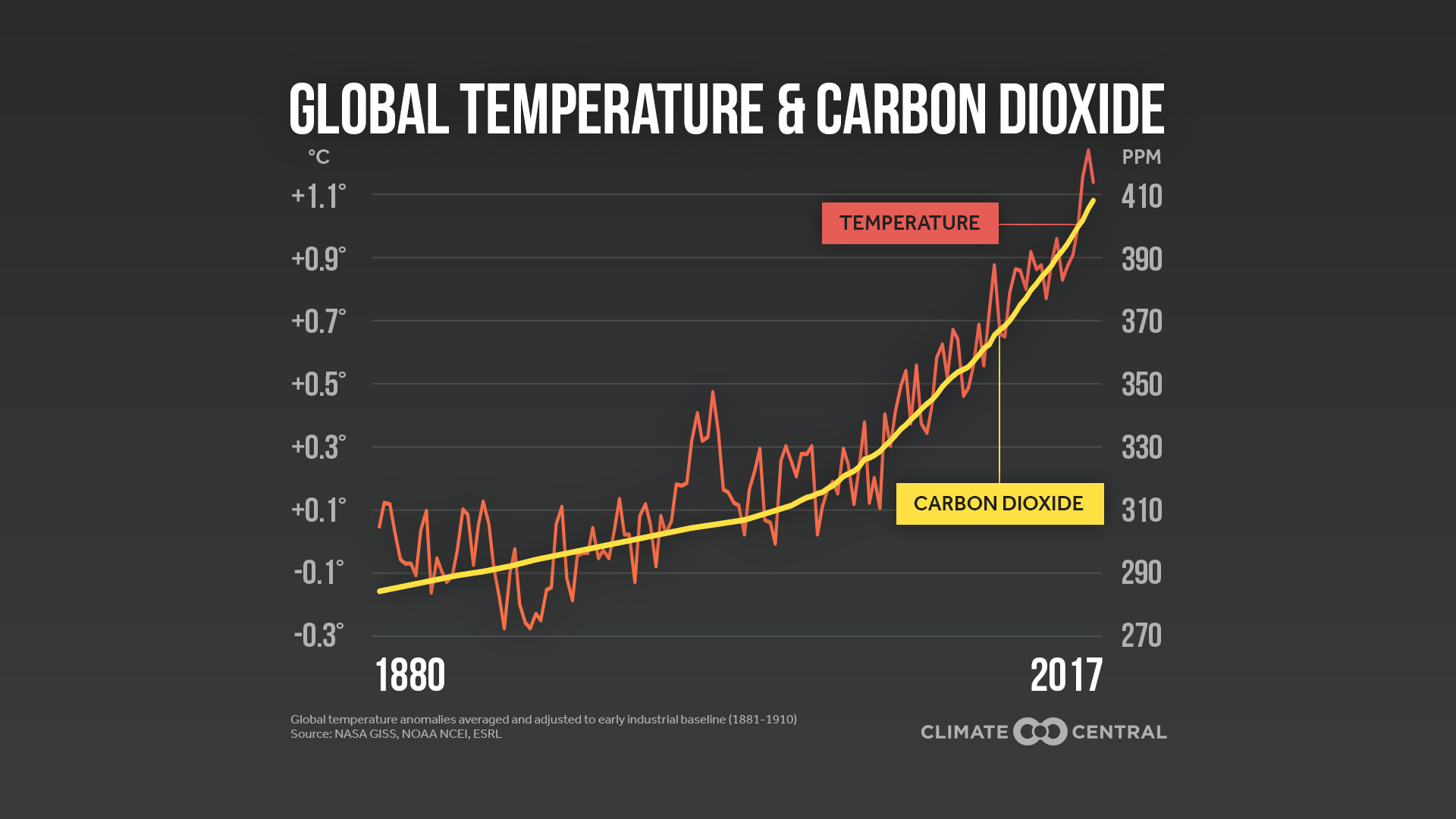
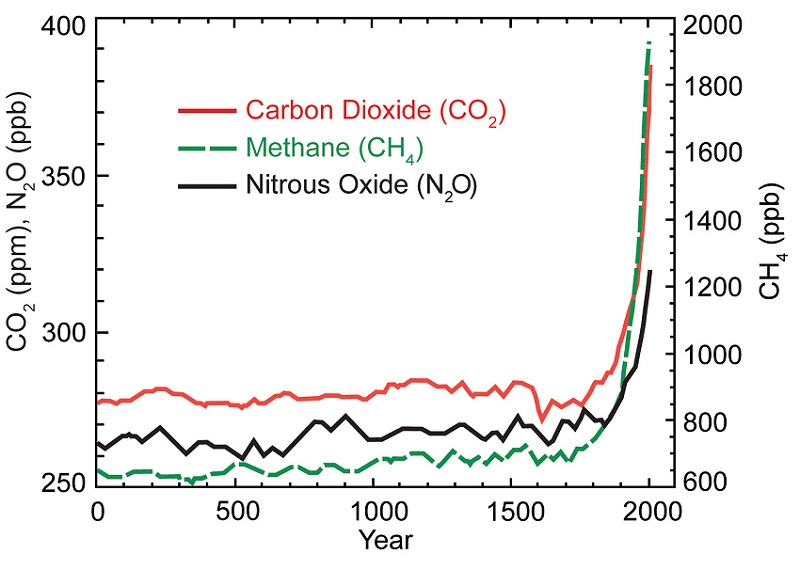
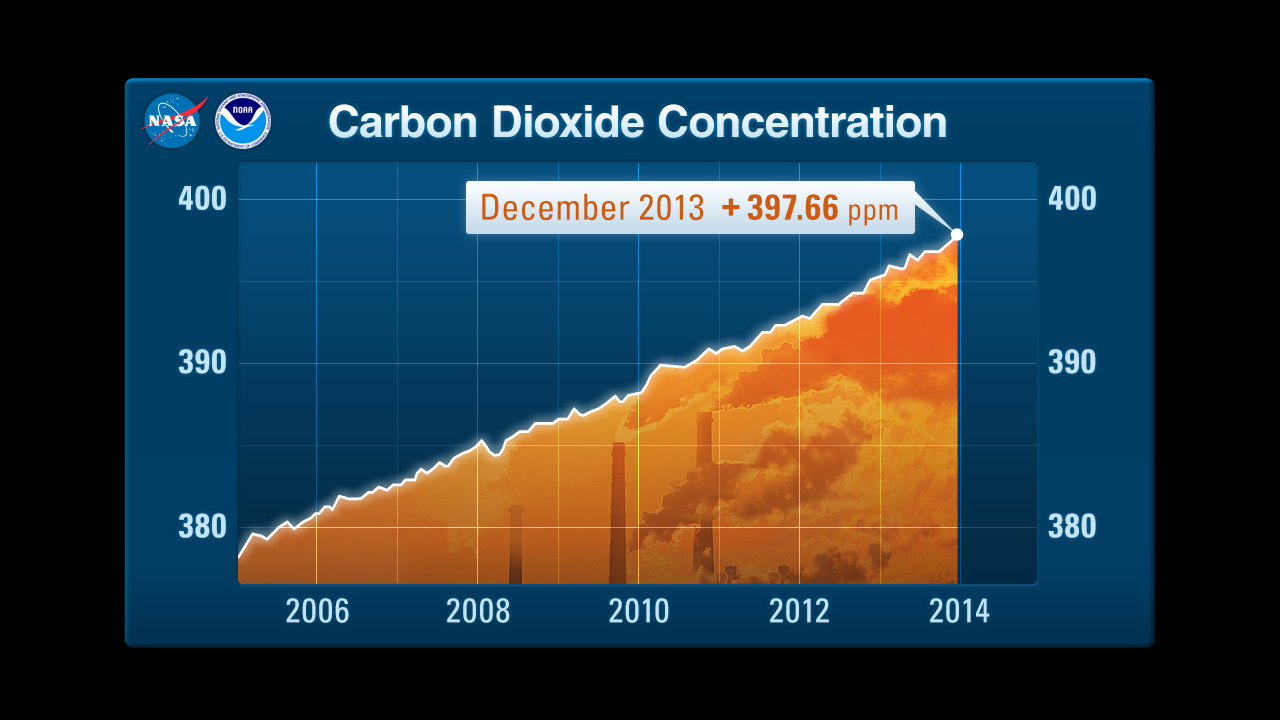
The amount of carbon dioxide in the atmosphere has risen more than 50 percent since people began burning fossil fuels for energy. It hit a new high of 419.3 parts per million in 2023.. Global average surface temperature has risen 0.14 degrees Fahrenheit per decade since 1880. The rate of warming has more than doubled since 1981.
What’s Going On in This Graph? Global Temperature Change The New York Times

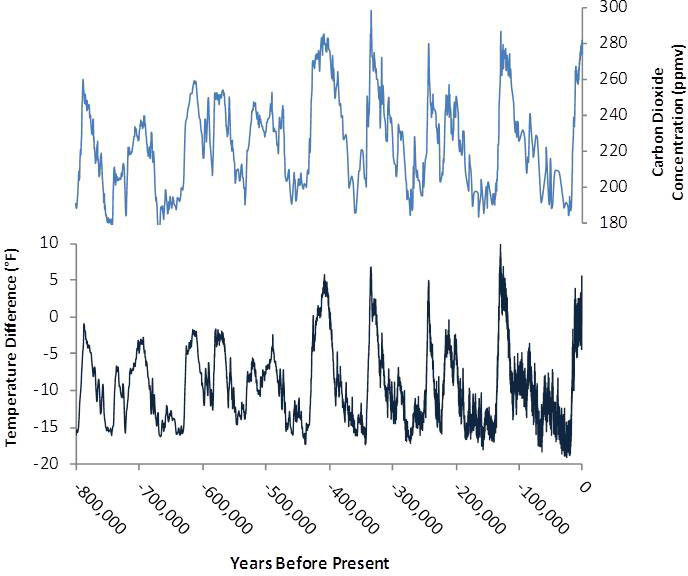
temperature goes up. When the carbon dioxide concentration goes down, temperature goes down. A small part of the correspondence is due to the relationship between temperature and the solubility of carbon dioxide in the surface ocean, but the majority of the correspondence is consistent with a feedback between carbon dioxide and climate.
Teach About Climate Change With These 24 New York Times Graphs The New York Times

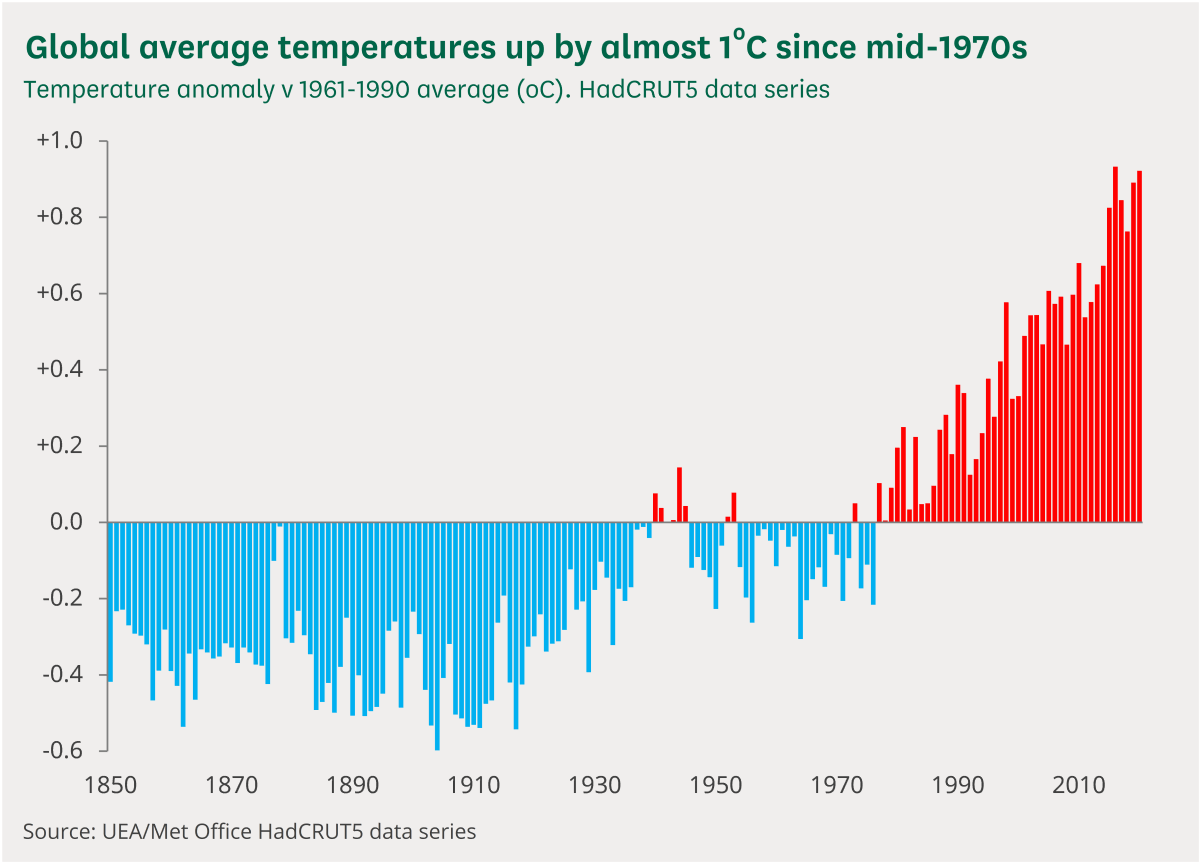
Human emissions of carbon dioxide and other greenhouse gases are the primary drivers of the global rise in temperatures. 1 This link between global temperatures and greenhouse gas concentrations - especially CO 2 - has been true throughout Earth's history. 2. In the chart, we see the global average temperature relative to a baseline, which is the average between 1961 and 1990.
Causes of Climate Change Climate Change Science US EPA
In July, August, and September, global temperatures were more than 1.0°C (1.8°F) above the long-term average—the first time in NOAA's record any month has breached that threshold. Map of global average surface temperature in 2023 compared to the 1991-2020 average. Warmer-than-average areas are shades of red, and cooler-than-average areas.
Climate change Where we are in seven charts and what you can do to help BBC News
This graph shows the change in global surface temperature compared to the long-term average from 1951 to 1980. The year 2020 statistically tied with 2016 for the hottest year on record since recordkeeping began in 1880 (source: NASA/GISS).NASA's analyses generally match independent analyses prepared by National Oceanic and Atmospheric Administration (NOAA) and other institutions.
Carbon dioxide in the atmosphere
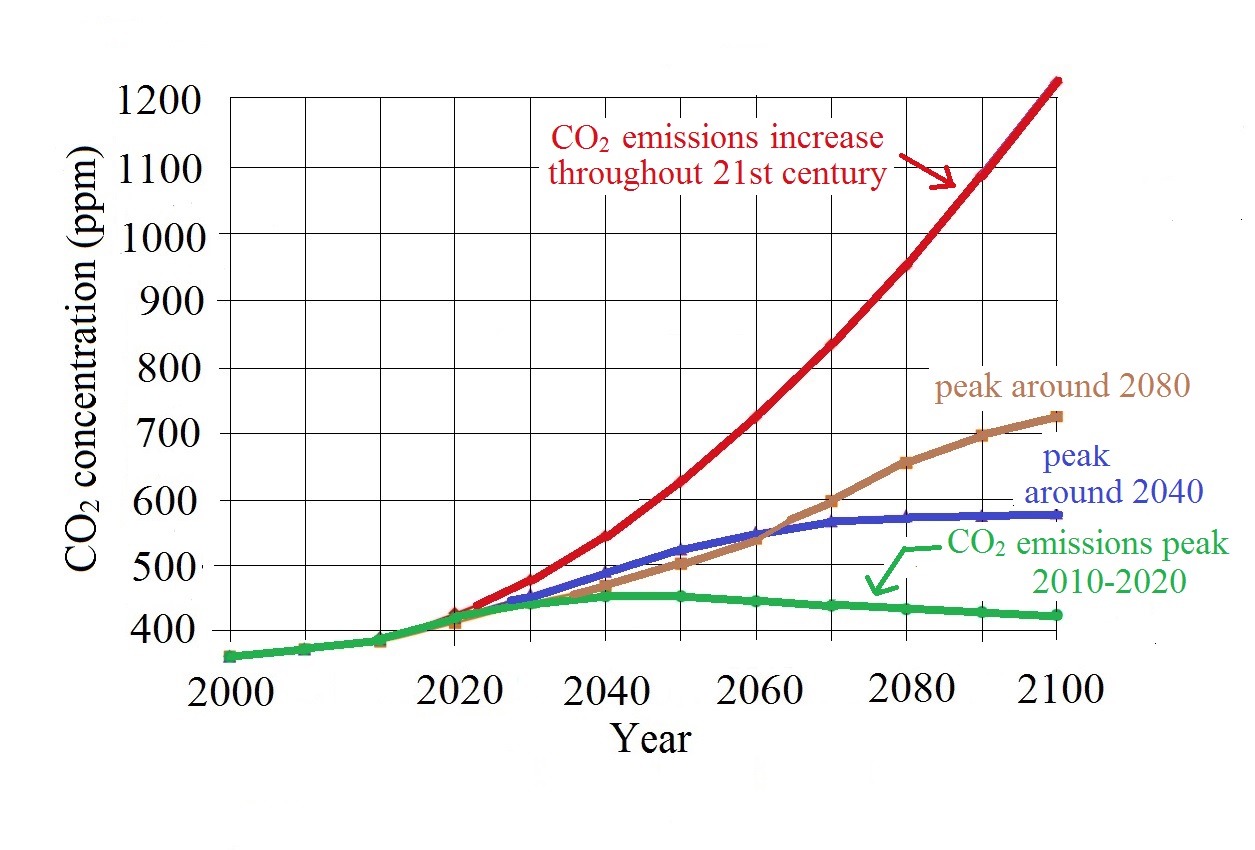
CO2 is considered the main greenhouse gas involved in the current global warming and the primary driver of temperature throughout Earth's history. However, the soundness of this relationship.
GlobalTemp_vs_carbon_dioxide_18502022.png NOAA Climate.gov
CO₂ reductions needed to keep global temperature rise below 1.5°C; CO₂ reductions needed to keep global temperature rise below 2°C; Carbon dioxide emissions by income level; Carbon dioxide emissions factors; Carbon emission intensity vs. GDP per capita; Carbon footprint of travel per kilometer; Carbon intensity of energy production
Frequently Asked Questions about Climate Change Climate Change US EPA
The global average carbon dioxide set a new record high in 2023: 419.3 parts per million. Atmospheric carbon dioxide is now 50 percent higher than it was before the Industrial Revolution. The annual rate of increase in atmospheric carbon dioxide over the past 60 years is about 100 times faster than previous natural increases, such as those that.
UK and global emissions and temperature trends
Heat content in the top 700 meters of the world's oceans. Ice sheet mass balance. Methane concentration in the atmosphere. Monthly average ocean heat content in the top 2,000 meters. Monthly average ocean heat content in the top 700 meters. Monthly average surface temperatures by decade decadal. Monthly average surface temperatures by year.
What’s Going On in This Graph? Global Temperature Change The New York Times

Yearly temperature compared to the twentieth-century average (red bars mean warmer than average, blue bars mean colder than average) from 1850-2022 and atmospheric carbon dioxide amounts (gray line): 1850-1958 from IAC, 1959-2019 from NOAA ESRL.Original graph by Dr. Howard Diamond (NOAA ARL), and adapted by NOAA Climate.gov.
Graphic Carbon Dioxide Concentration Climate Change Vital Signs of the
This graph shows the change in global surface temperature compared to the long-term average from 1951 to 1980. Earth's average surface temperature in 2023 was the warmest on record since recordkeeping began in 1880 (source: NASA/GISS).NASA's analysis generally matches independent analyses prepared by the National Oceanic and Atmospheric Administration (NOAA) and other research groups.
Climate Change Indicators Global Greenhouse Gas Emissions Climate Change Indicators in the
The values in Table 1 clearly confirm that the total greenhouse gases (GHG), especially the CO 2, are the main drivers of the changing global surface air temperature. The radiative forcing caused.
.