alterations in cancer
Modulating modifications for cancer therapy (Review)
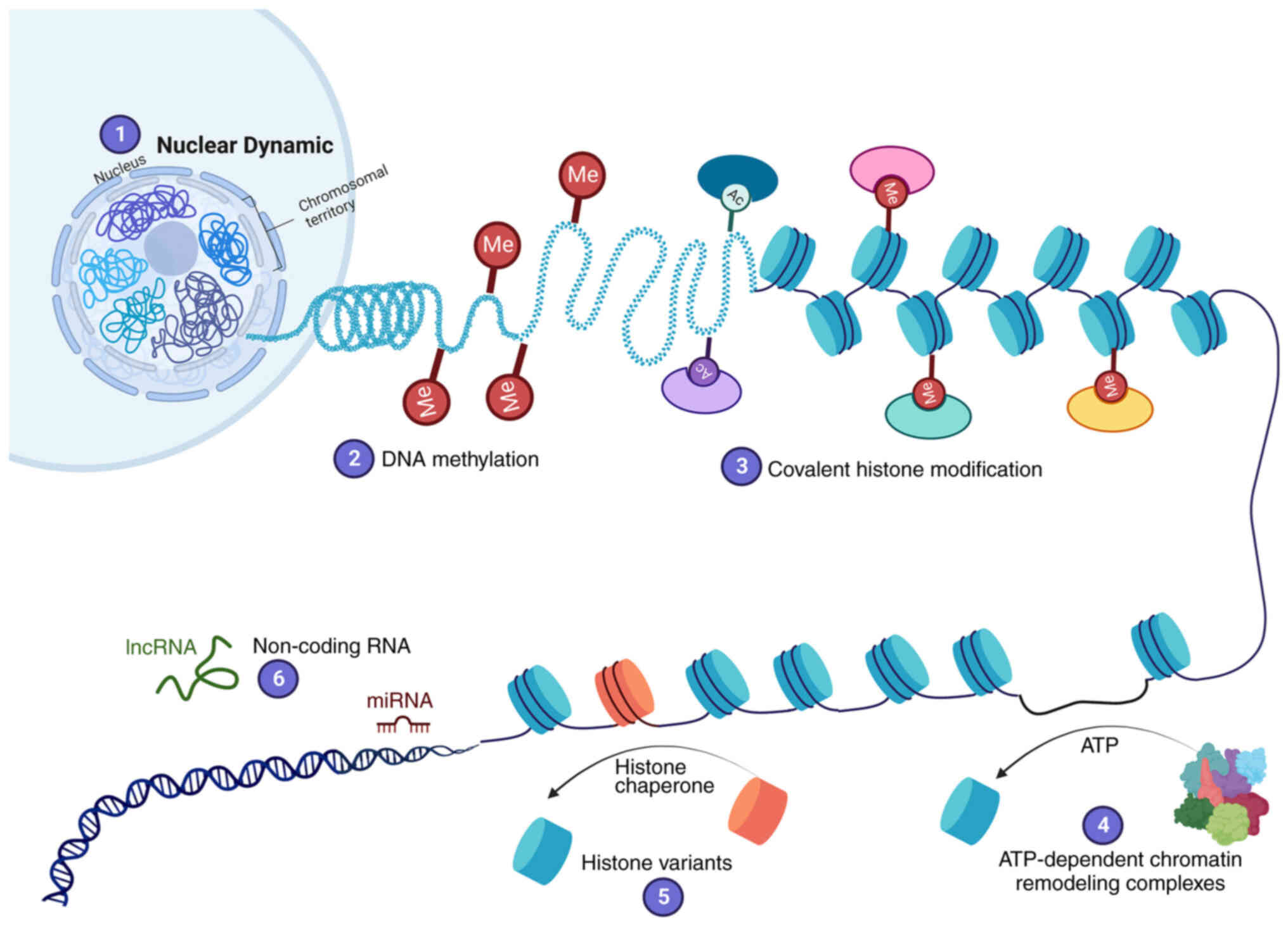
Nuclear organization is functionally linked to genetic and epigenetic regulation of gene expression for biological control and is modified in cancer. Nuclear organization supports cell growth and.
regulation and cancer (Review)
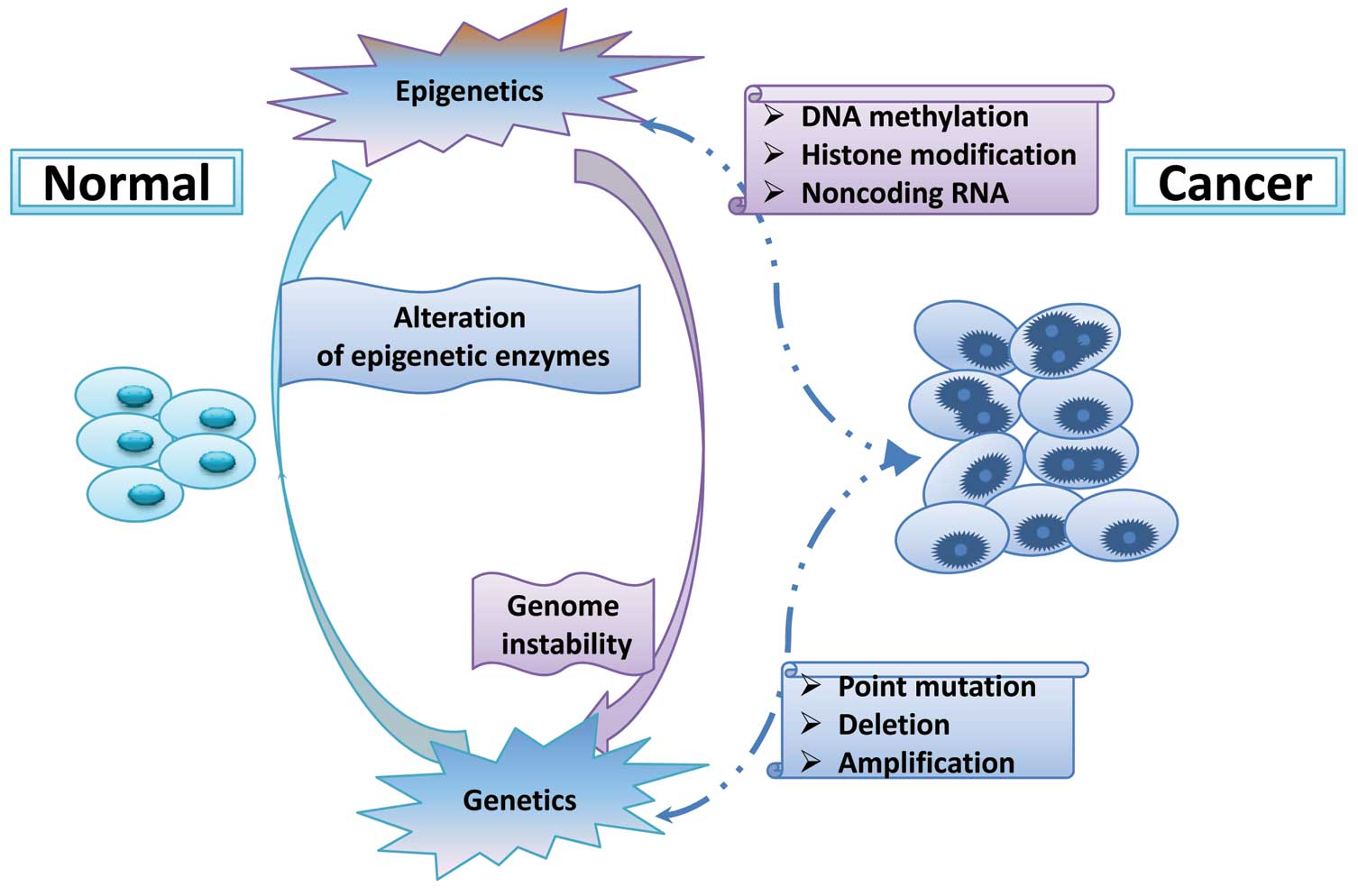
Histone variants are one of the least understood aspects of epigenetic regulation. They can replace replication-coupled histones in the structural unit of chromatin, the nucleosome 5.Being.
And Cancer

Nuclear organization is functionally linked to genetic and epigenetic regulation of gene expression for biological control and is modified in cancer. Nuclear organization supports cell growth and phenotypic properties of normal and cancer cells by facilitating physiologically responsive interactions of chromosomes, genes and regulatory complexes at dynamic three-dimensional microenvironments.
Cáncer Stem Cells Mx

Nuclear organization is functionally linked to genetic and epigenetic regulation of gene expression for biological control and is modified in cancer. Nuclear organization supports cell growth and phenotypic properties of normal and cancer cells by facilitating physiologically responsive interactions of chromosomes, genes and regulatory.
alterations in cancer
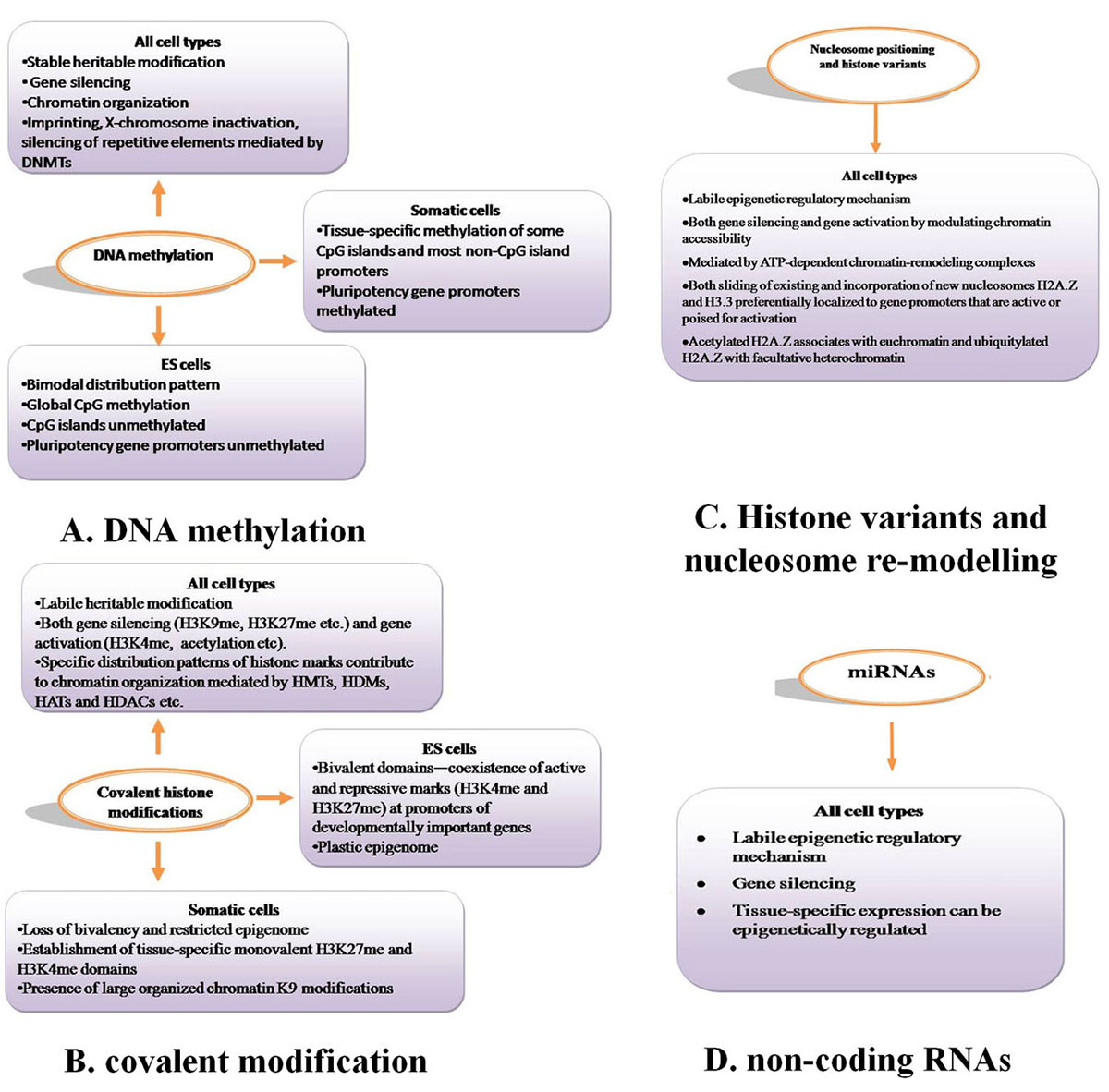
U54 GM115516/GM/NIGMS NIH HHS/United States. Nuclear organization is functionally linked to genetic and epigenetic regulation of gene expression for biological control and is modified in cancer. Nuclear organization supports cell growth and phenotypic properties of normal and cancer cells by facilitating physiologically responsive interactions..
mechanisms of gene expression. and Download Scientific Diagram

Nuclear organization mediates cancer-compromised genetic and epigenetic control . Nuclear organization is functionally linked to genetic and epigenetic regulation of gene expression for biological control and is modified in cancer. Nuclear organization supports cell growth and phenotypic properties of normal and cancer cells by facilitating.
modulators for brain cancer stem cells Implications for anticancer treatment
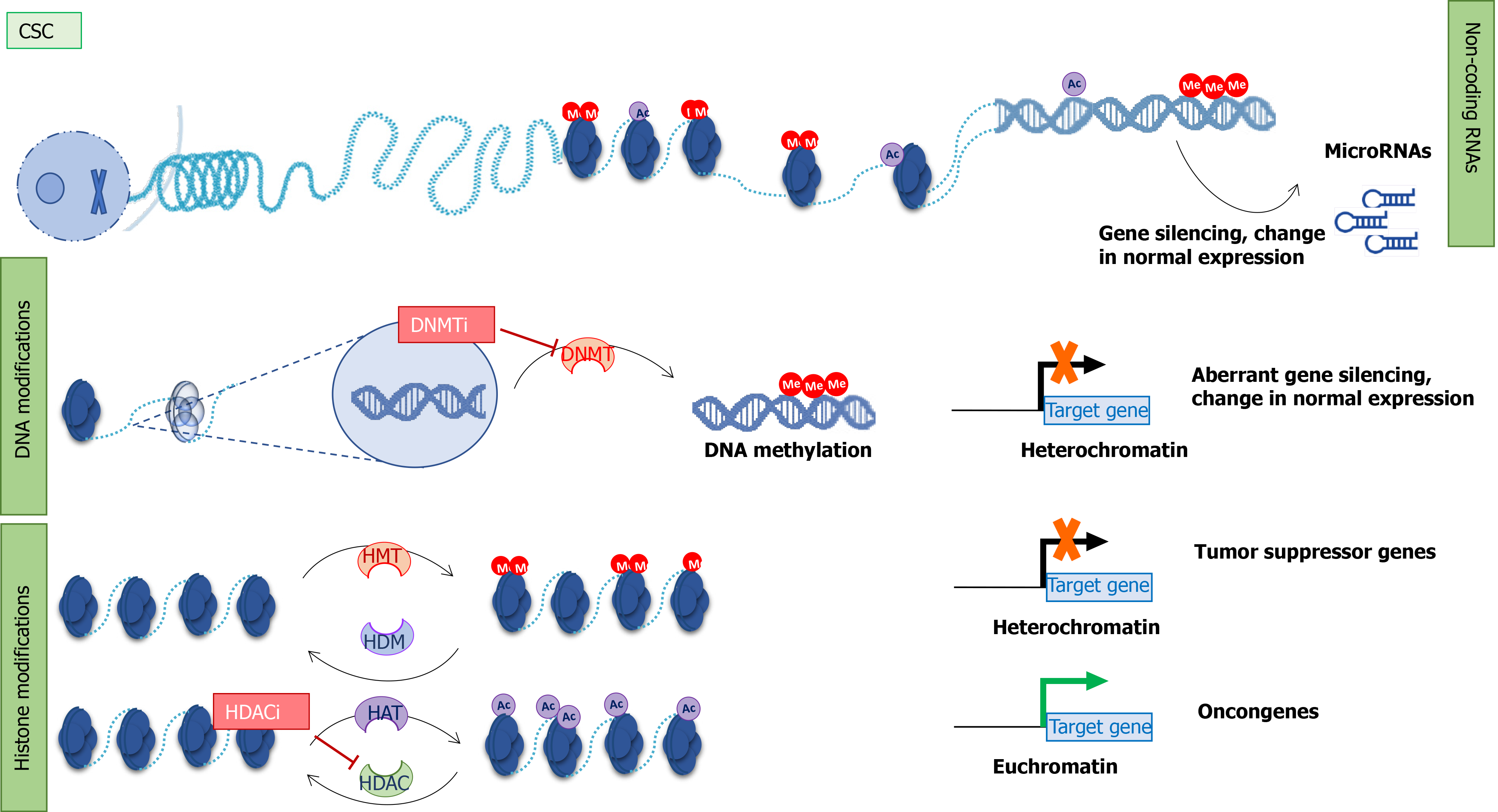
Fig. 1. RUNX1 regulates higher order genome organization and epithelial to mesenchymal transition in breast cancer cells - "Nuclear organization mediates cancer-compromised genetic and epigenetic control."
Determinants of Cancer

Histone H3 phosphorylation, a downstream target of the Ras‐mitogen activated protein kinase pathway, is involved in neoplastic transformation. This article will review genetic and epigenetic events that alter chromatin organization in cancer cells and the role of the nuclear matrix in determining nuclear morphology. J. Cell.
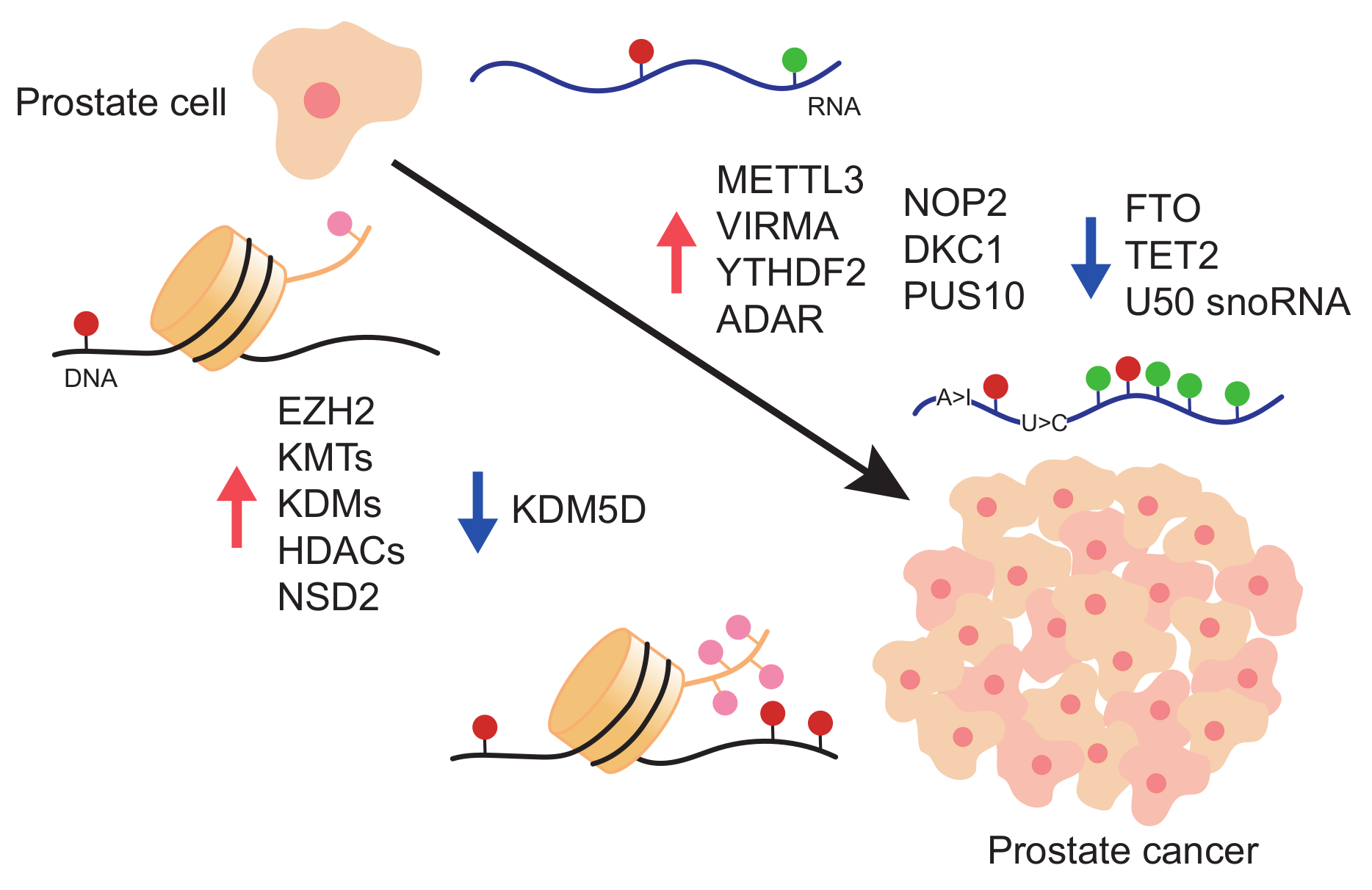
Genes Free FullText and Epitranscriptomic Control in Prostate Cancer
Nuclear organization is functionally linked to genetic and epigenetic regulation of gene expression for biological control and is modified in cancer. Nuclear organization supports cell growth and phenotypic properties of normal and cancer cells by.
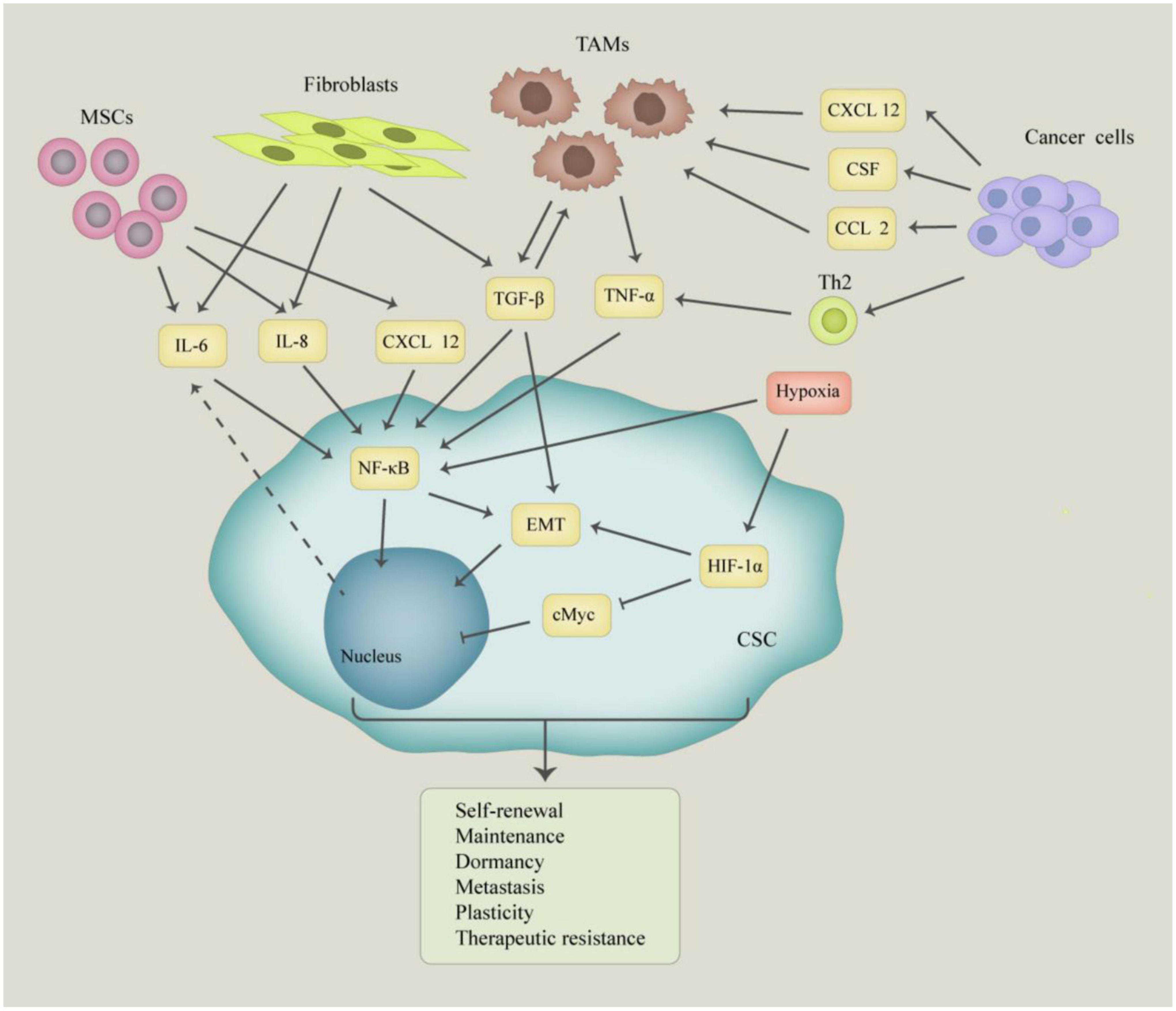
Frontiers Signaling of Cancer Stem Cells During Inflammation
Nuclear organization mediates cancer-compromised genetic and epigenetic control..
control of miRNA expression The downregulation of miRNAs... Download Scientific

Evidence is accruing for aberrant epigenetic control as key for tumor initiation, progression, and maintenance of the cancer-compromised phenotype (Zaidi et al. 2018b; Berdasco and Esteller 2010). Nuclear structure-gene expression relationships are increasingly considered complementary dimensions to control.
Determinants of Cancer

DOI: 10.1016/j.jbior.2018.05.001 Corpus ID: 44177791; Nuclear organization mediates cancer-compromised genetic and epigenetic control. @article{Zaidi2018NuclearOM, title={Nuclear organization mediates cancer-compromised genetic and epigenetic control.}, author={Sayyed Kaleem Zaidi and Andrew J. Fritz and Kirsten M. Tracy and Jonathan A. R. Gordon and Coralee E. Tye and Joseph R. Boyd and Andre.
Crosstalk between epitranscriptomic and mechanisms in gene regulation Trends in

Nuclear organization is functionally linked to genetic and epigenetic regulation of gene expression for biological control and is modified in cancer. Nuclear organization supports cell growth and phenotypic properties of normal and cancer cells by facilitating physiologically responsive interactions of chromosomes, genes and regulatory complexes at dynamic three-dimensional microenvironments.
in Cancer Tocris Bioscience

The regulatory machinery that governs genetic and epigenetic control of gene expression is compartmentalized in nuclear microenvironments. Temporal and spatial parameters of regulatory complex organization and assembly are functionally linked to biological control and are compromised with the onset and progression of tumorigenesis providing a novel platform for cancer diagnosis and treatment.
Exploring in Cancer
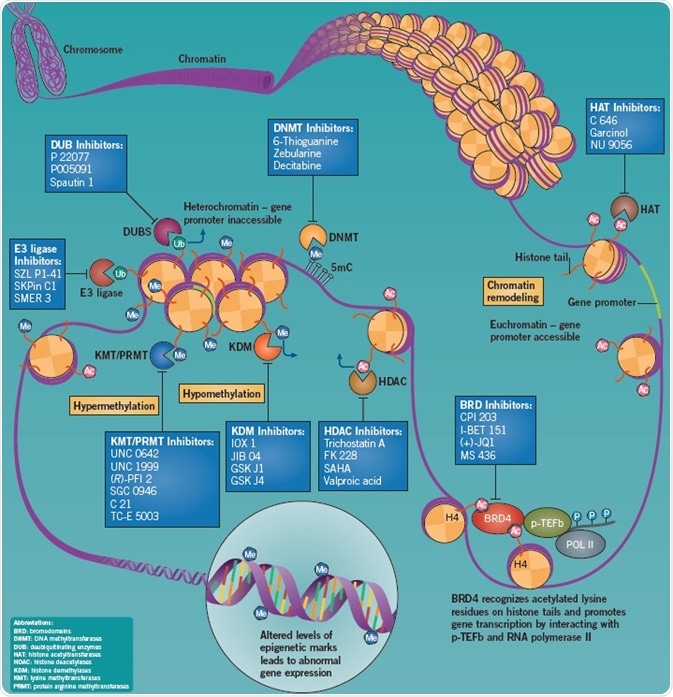
From a mechanistic perspective, these cancer-related changes disrupt several levels of nuclear organization that include linear gene sequences, chromatin organization and subnuclear domains 1,4,5,6.
Interplay of and aberrations in tumorigenesis. The... Download Scientific

2. Progress toward mechanistically characterizing cancer-compromised nuclear structure-gene expression relationships. Focusing on obligatory interrelationships of nuclear structure with gene expression, progress is being made toward establishing a conceptual and mechanistic basis by which multiple components of nuclear organization contribute to gene regulation in biological control and cancer.
.