Jelly Bean Plant (Sedum rubrotinctum) in Naperville Aurora Batavia
Sedum Jelly Bean
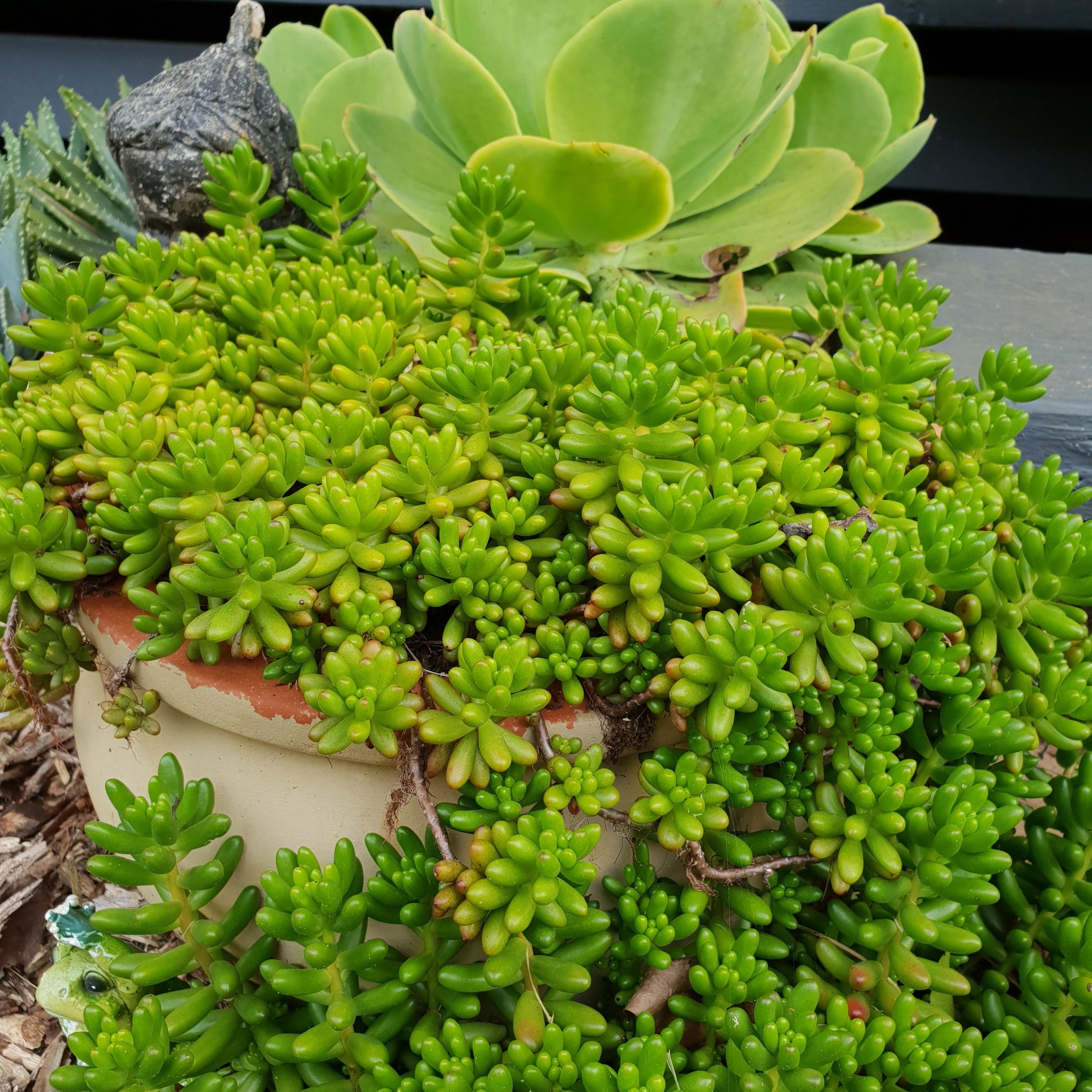
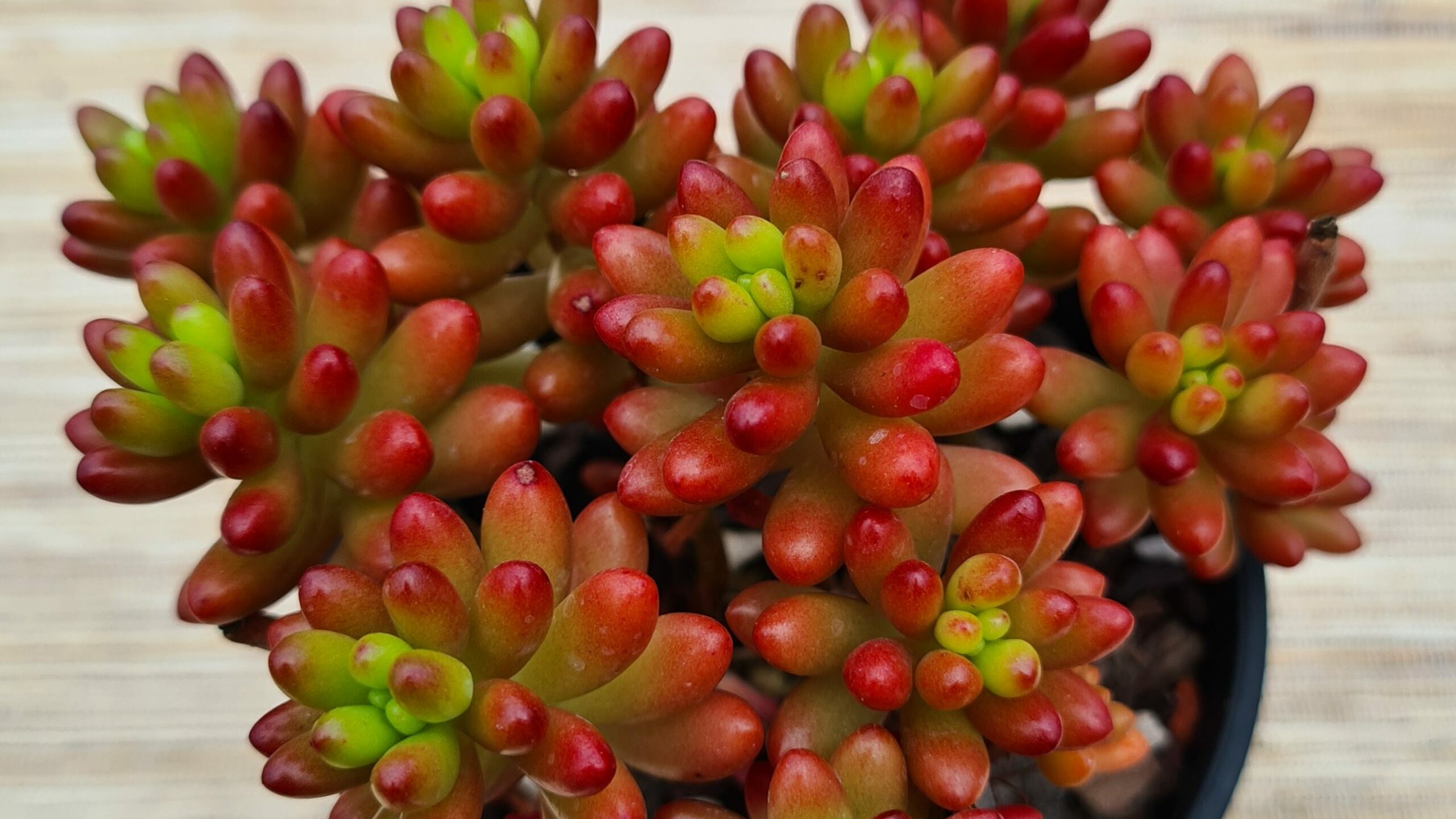
Jelly Bean Plants grow to 7-8 inches (20 cm) in height and tend to lean to one side. They have cylindrical jelly-bean shaped leaves that grow up to 0.7 inches (2 cm) long. The leaves of the Sedum Rubrotinctum grow in spirals around the sprawling succulent stems.
Jelly Bean Plant Facts Learn About Growing Jelly Bean Sedums
Propagate Jelly Bean Succulent Plant-Sedum Rubrotinctum from Leaves. From Leaves: Step 1. Use a fallen leaf or break off a leaf from the stem. The leaf needs to be whole from the tip to the end for propagation to work. Use plump, healthy looking leaves. You will have more success with healthy leaves.
Known as jellybeans, jelly bean plant, or pork and beans.elated image

A: Jelly Bean Plants, like other succulents, don't need frequent watering. Use the "soak and dry" method: water the plant thoroughly, then allow the soil to completely dry out before watering again. In warmer months, this might mean watering once a week, but in cooler, less sunny periods, watering might drop to once every two weeks or less.
Jelly Bean Plant Sedum Pachyphyllum rare succulent Live Etsy
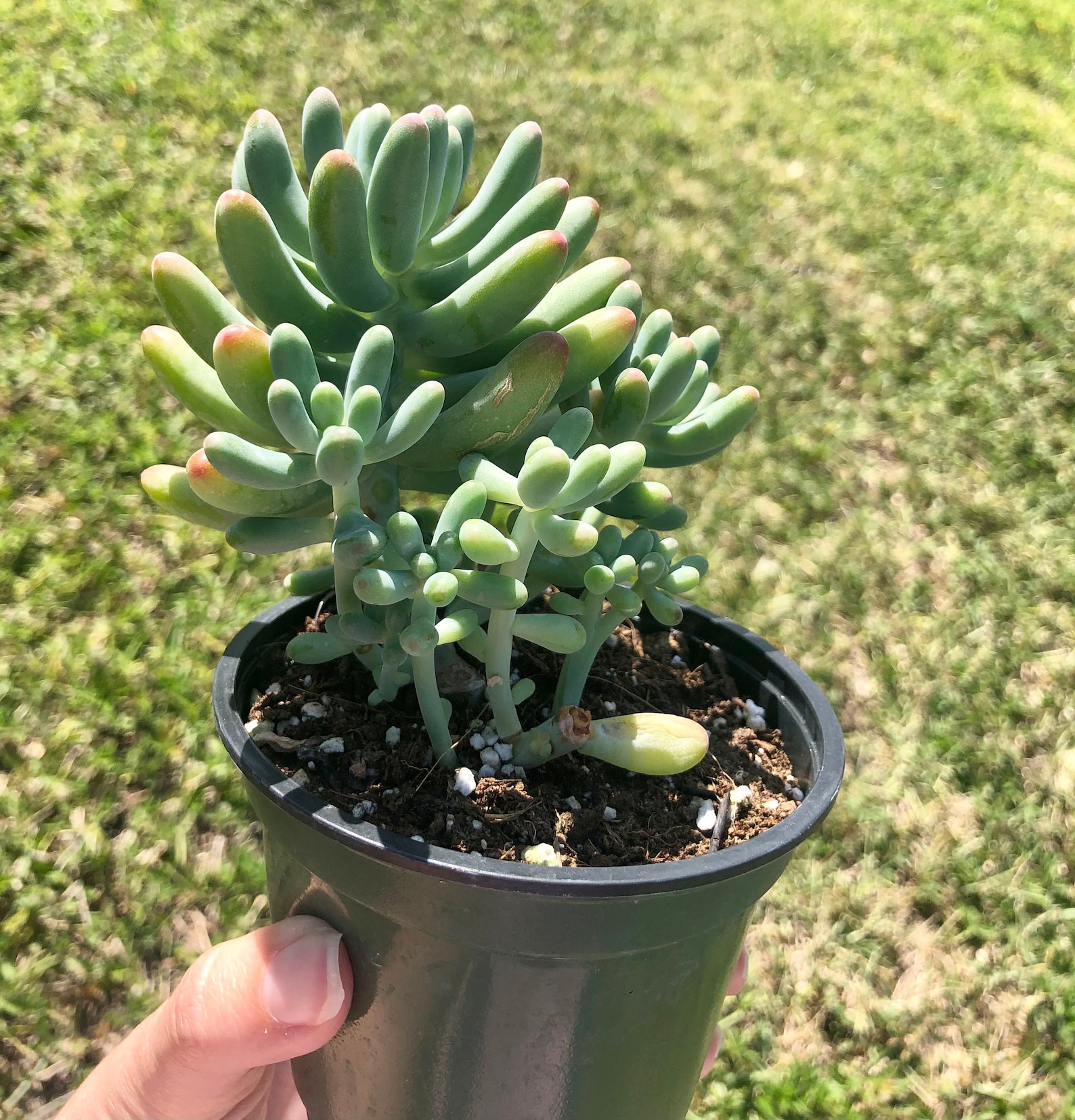
About Jelly Bean Sedums. Jelly bean plant facts indicate this plant is a cross of Sedum pachyphyllum and Sedum stahlii, As such, it's another candidate for neglect and does best without too much attention.Six- to eight-inch (15-20 cm.) stems grow upward and lean when leaves weigh it down.
Sedum pachyphyllum (Many Fingers, Jelly Beans) World of Succulents
Water. Use the 'soak and dry' method with your jelly bean succulent. Water your plant only when the soil is completely dry. This is where most succulent growers go wrong and accidentally kill their plants. In the jelly bean plant's natural habitat, it would be exposed to many weeks or even months of drought.
Jelly Bean Plant Bean plant, Plants, Succulents

Jelly Bean Plants have cylindrical jelly-bean shaped leaves that grow up to 2 cm long and can reach up to 7 to 8-inches tall with the tendency to lean on one side. During the early years of the Jelly Bean plant, it can produce some delicate star-shaped yellow flowers, which appear abundantly from Winter to Spring.
Jelly bean Jelly Beans, Succulents, Plants, Red Dates, Succulent Plants

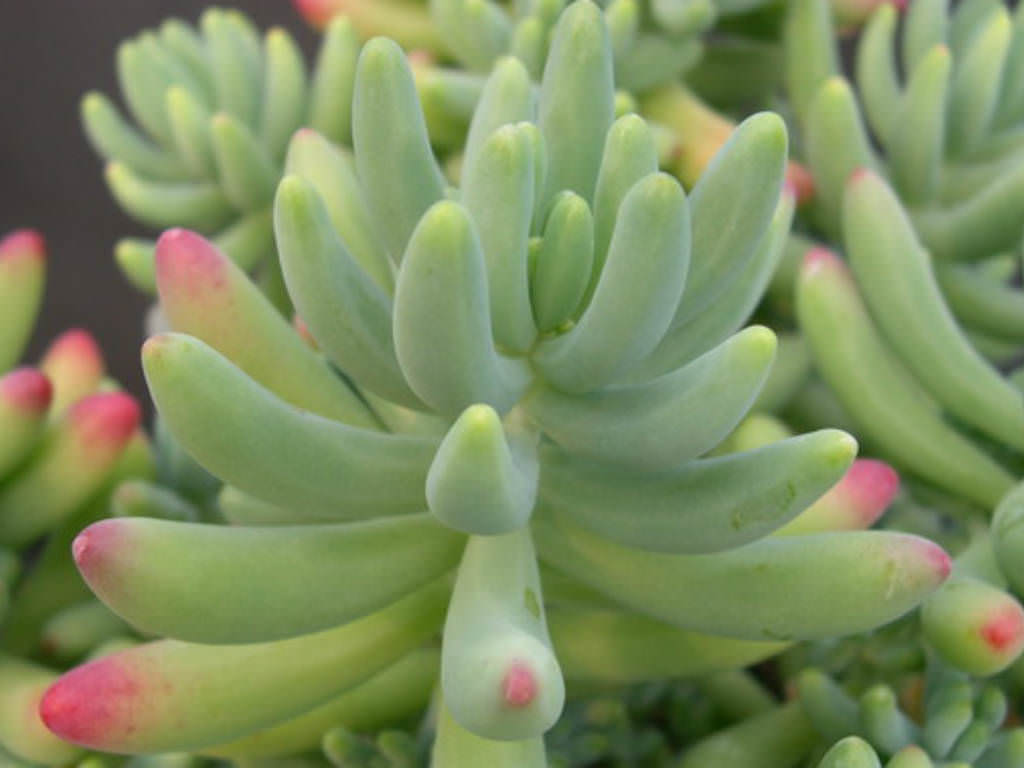
The Jelly Bean plant, scientifically known as Sedum rubrotinctum, is a succulent that belongs to the Crassulaceae family. Its unique name comes from its small, jelly bean-shaped leaves that resemble colorful candies. These leaves are fleshy and plump, giving the plant a distinctive appearance.
Jelly Bean Succulents Care and Growing Guide
:max_bytes(150000):strip_icc()/GettyImages-904340922-ad09a8a5a9e34fd8b527648ce586c274.jpg)
Select a potting soil mix that is well-draining. Carefully remove the plant from its current container to reduce the number of leaves that fall off. Fill the new container with the potting soil mix. Create a small hole (s) for the plant (s) to rest in. Carefully set the plant into the hole.
Jelly Bean Succulent Varieties

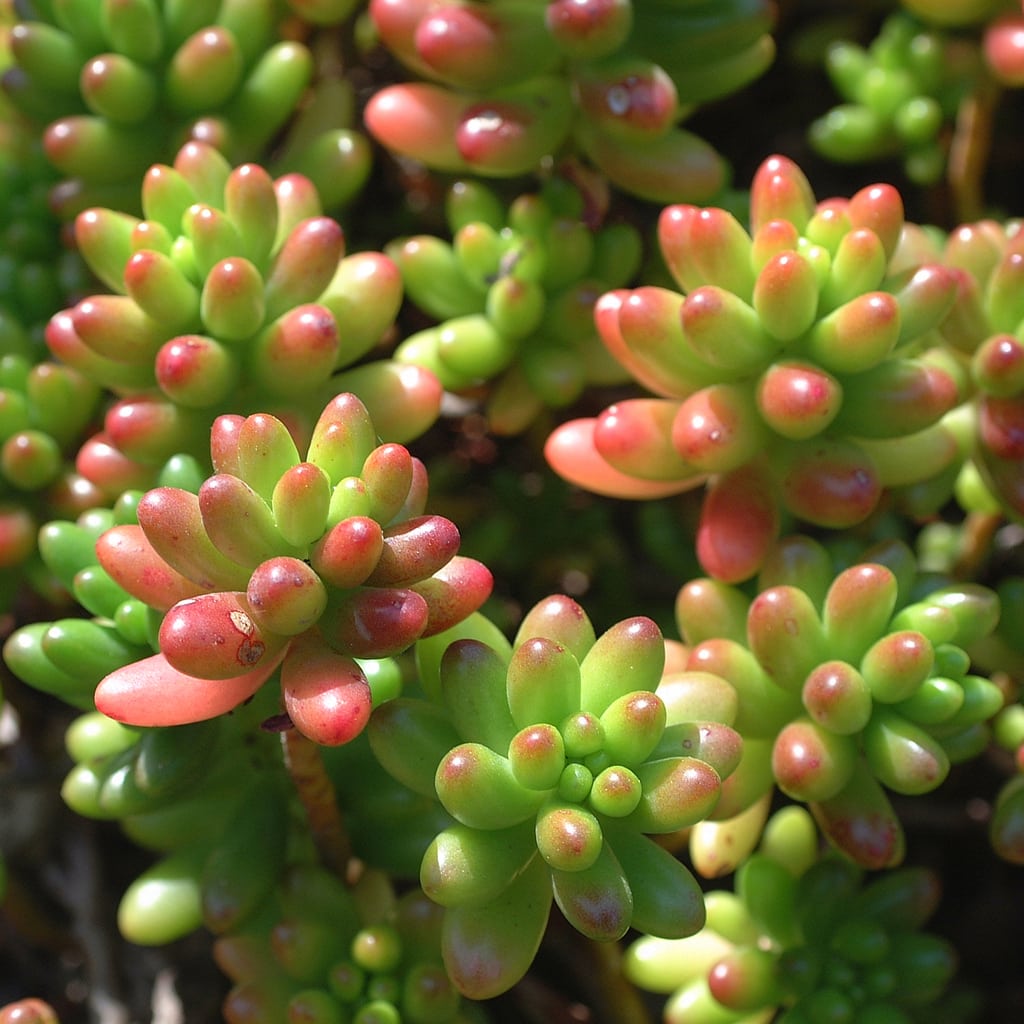
Jelly Bean Plant that is grown outdoors and given full to partial sun exposure of up to 6 hours develop the reddish hue on the leaves because this is a substance that protects the plant from sunburn. On particularly hot days, the succulent can still be scorched from the sun rays and should be moved to partially shaded areas..
Plant of the Month August 2022 Jelly Bean Plant (Sedum rubrotinctum
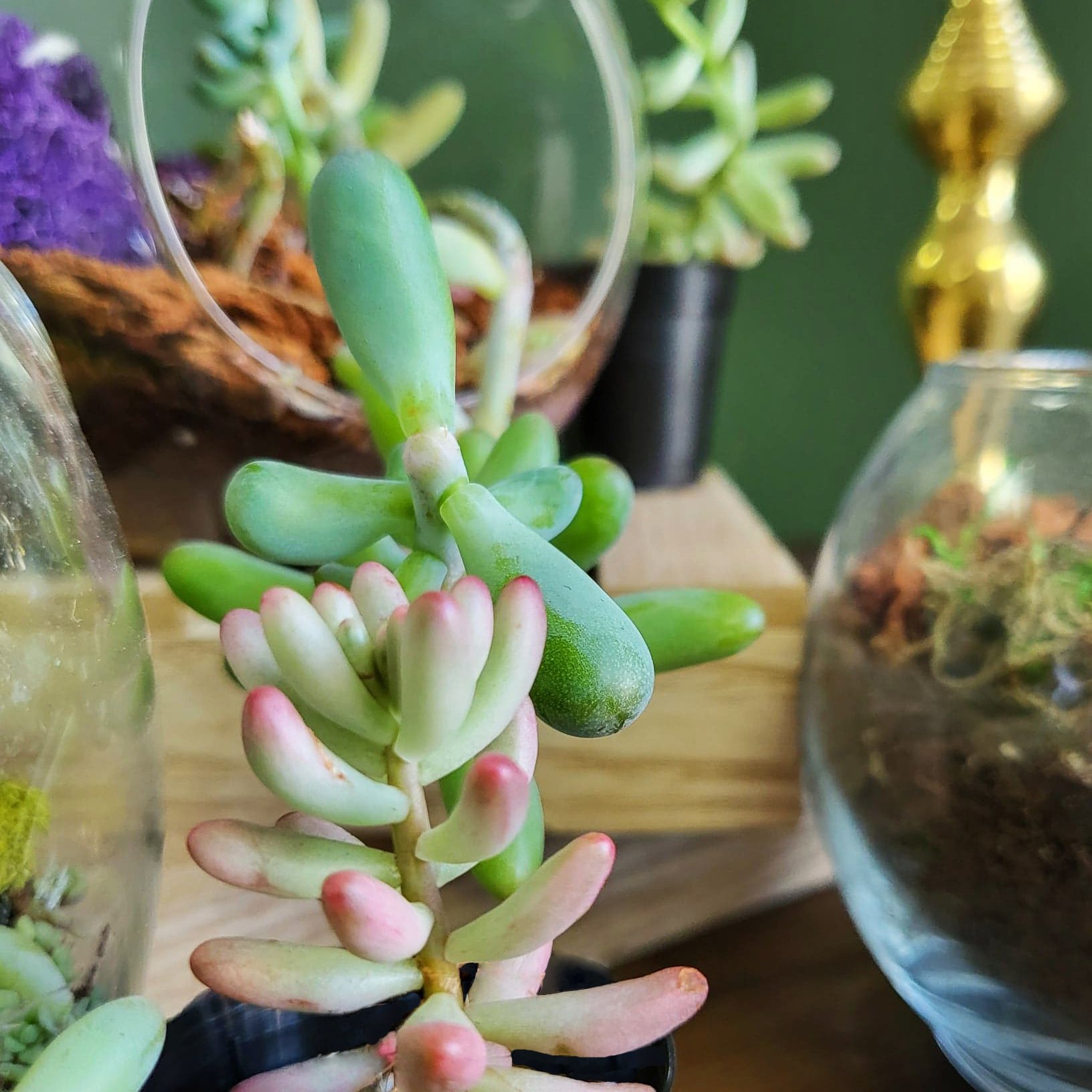
Common Pests & Deiasis Of Jelly Bean Plant. Protecting your jelly bean plant from common pests and diseases is essential to ensure its health and longevity. While jelly bean plants are relatively low-maintenance, they can still be susceptible to specific issues. Common pests that may affect jellybean plants include aphids, mealybugs, and spider.
Sedum hernandezzi Jelly Beans Succulent (2" Pot) Little Prince To Go
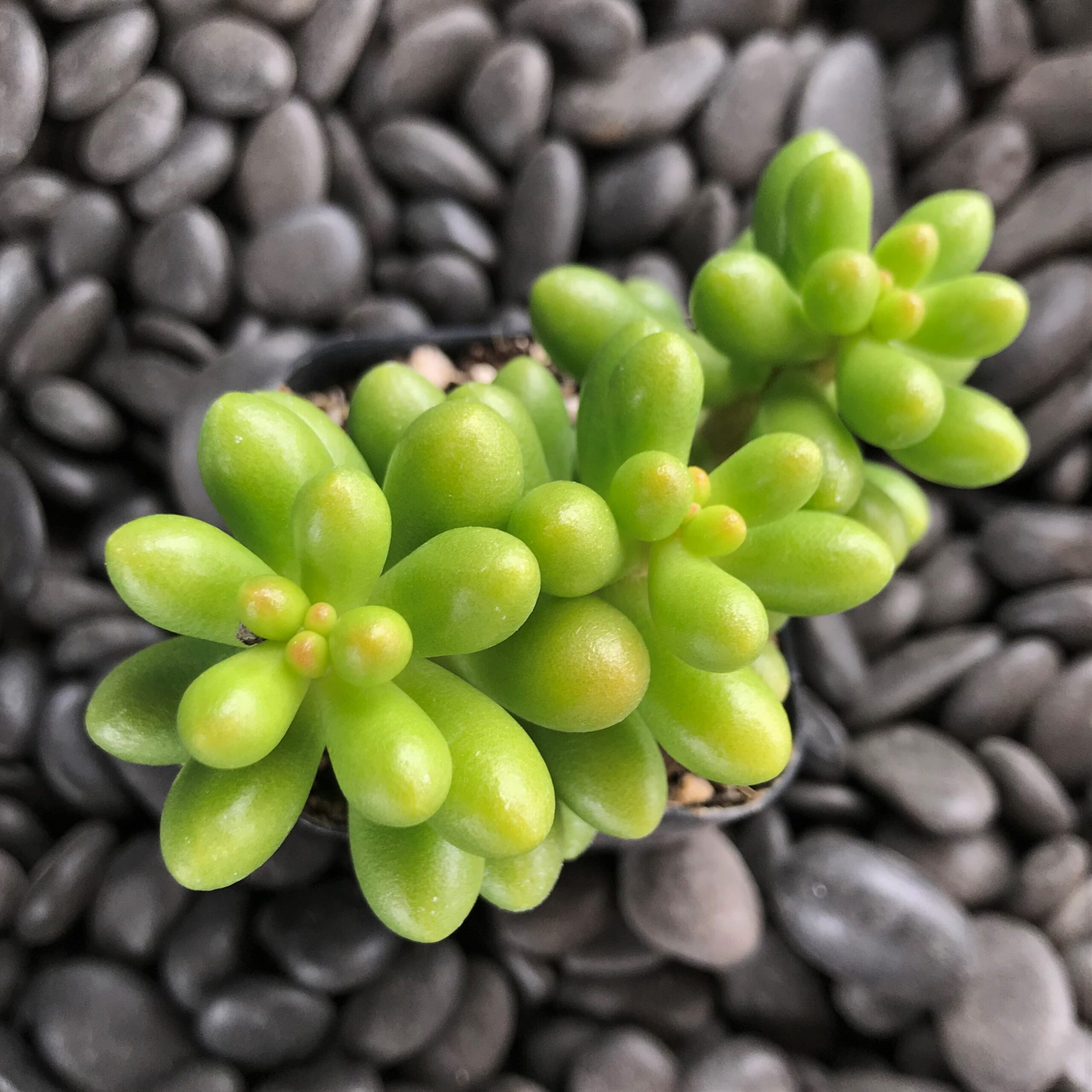
Jelly bean plants will do better in higher temps but aren't too fussy with humidity. Like other sedums, the jelly bean plant appreciates higher temperatures. They don't tolerate cold well and shouldn't be exposed to temperatures below 20°F (-7°C). Don't worry if you live in a cooler zone.
Jelly bean plant 4 inch live succulent Etsy
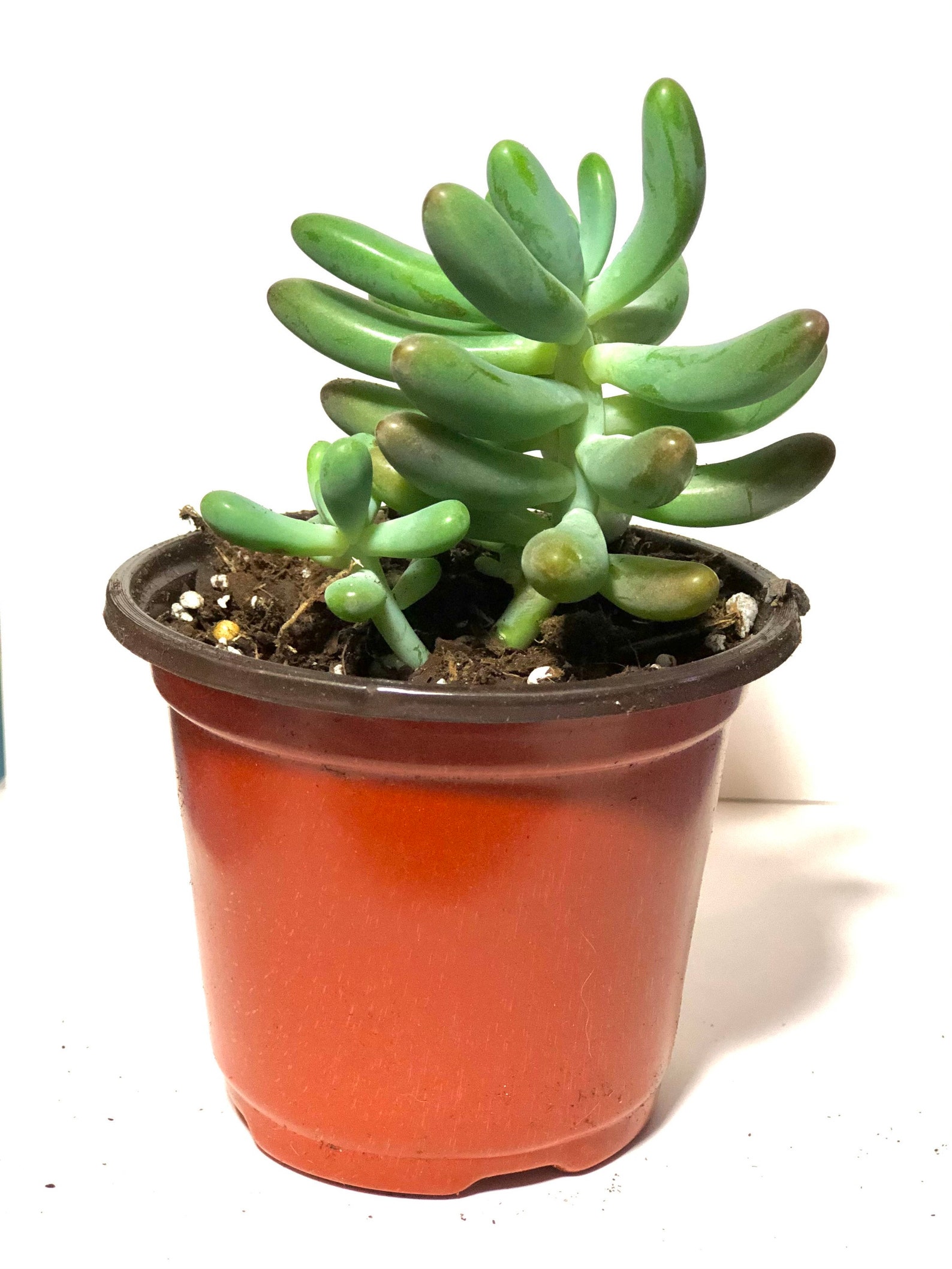
The plant's leaves, which resemble jelly beans, grow close to 0.7 inches and can reach nearly 8 inches tall. They also tend to favor growing to one side, and in their early stages of maturation, jelly bean plants often bloom yellow star-shaped flowers that will appear in abundance as winter turns to spring.
Sedum rubrotinctum Jelly Bean Plant (Amy) Plants, Bean plant, Sedum

The Jelly Bean plant is an ornamental plant that's a great choice for xeriscaping and dish gardens. It is lovely tumbling through a rock garden. It makes an excellent ground cover in hot, dry settings. Because of its tumbling, rambling growth habit, it can make a pretty hanging basket plant, decorative plant, or potted plant. It is also.
Sedum rubrotinctum (Jelly Bean Plant) World of Succulents
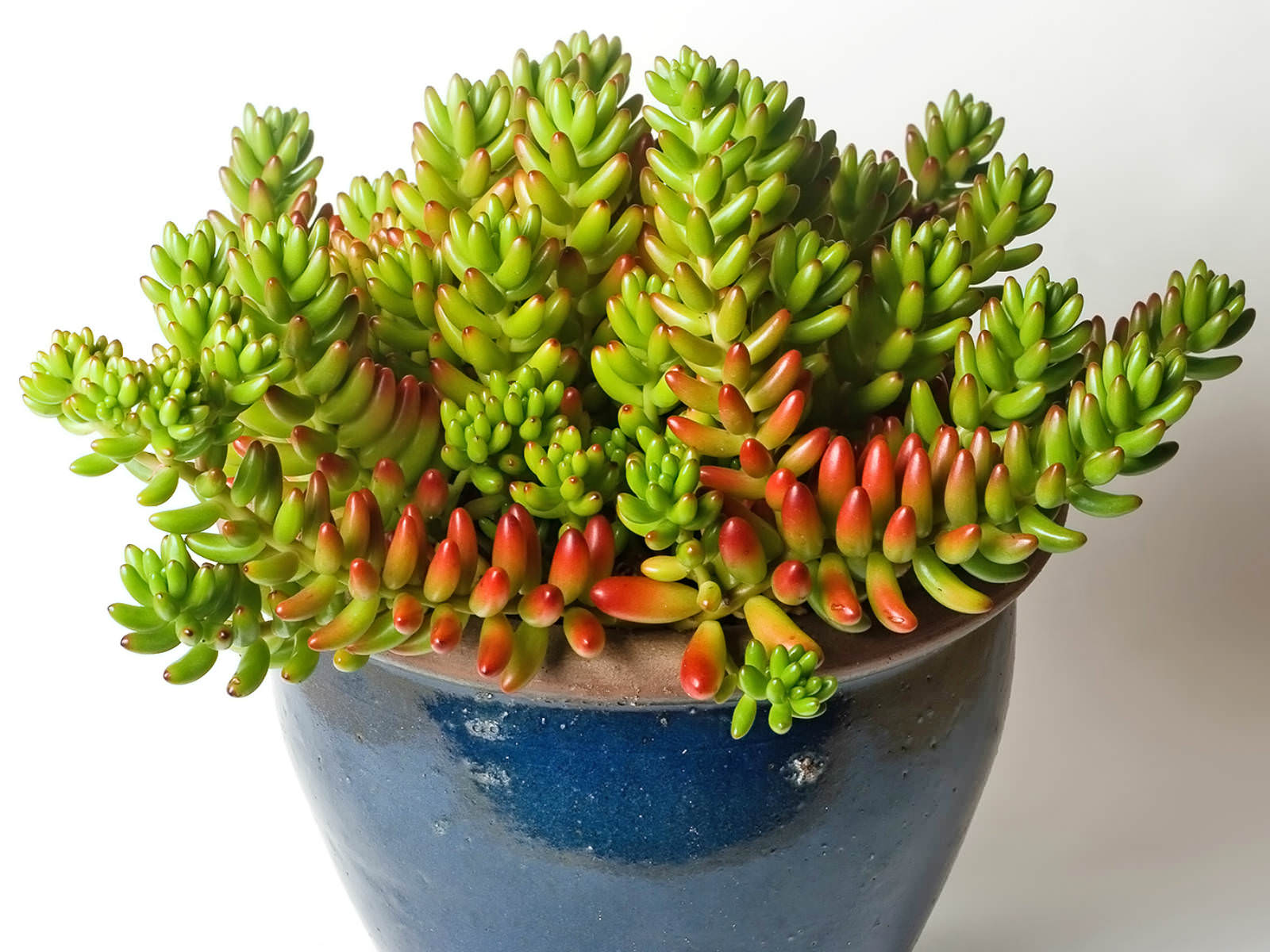
Sedum rubrotinctum or Sedum × rubrotinctum, commonly known as jelly-beans, jelly bean plant, or pork and beans, [citation needed] is a species of Sedum from the plant family Crassulaceae.It is a succulent plant originating in Mexico. The common English name refers to its short leaves that resemble jelly beans, especially when taking on a protective hue.
All about the Jelly Bean plant Plant Propagation
The Jelly Bean plant, also known as Sedum rubrotinctum, is a popular succulent that is loved for its vibrant, jelly bean-like foliage. This low-maintenance plant is native to Mexico and is commonly grown as a houseplant or in outdoor gardens. If you're thinking about adding a Jelly Bean plant to your collection, here are some essential care.
Variegated Jelly Bean Succulent Best Succulent Ideas

Light: Full sun. Water: Water the jelly bean plant more in the spring and summer, but still let it dry out in between waterings. Plant Sedum rubrotinctum in well-draining potting soil and never let it sit in water. Zone: Zones 9 to 10. Temperature: This succulent plant does best in hotter conditions.
.