Pin en Camp de Les Corts
Pin on Cathedrals of Sport & Fans

El Camp de les Corts fou l'estadi del FC Barcelona entre els anys 1922 i 1957, quan es va inaugurar el Camp Nou. [1] Es trobava a l'illa delimitada pels carrers de Numància, travessera de les Corts, Vallespir i Marquès de Sentmenat, i va ser testimoni de molts dels grans èxits del club blaugrana però també d'episodis i períodes difícils.
BARCELOFÍLIA CAMP DE LES CORTS. FC BARCELONA. (19221966)

Description. Camp de Les Corts was the second home stadium of FC Barcelona. It served the club from 1922 until the club moved to Camp Nou in 1957. After FC Barcelona had moved from ground to ground in the first ten years of its existence, it finally got a permanent home in 1909 in the form of Camp del Carrer Indústria.
Un vestigio vivo de Les Corts

Estem a l'any 1922, quan l'esclat popular de l'afecció pel FC Barcelona ha deixat petit el camp del carrer Industria, on només s'hi poden ubicar uns 6.000 espectadors. El 8 de febrer, el fundador i president del Club, Joan Gamper, estampava la seva signatura a l'escriptura de compra dels terrenys de Can Guerra, al barri de les Corts.
BARCELOFÍLIA CAMP DE LES CORTS. FC BARCELONA. (19221966)

Les Corts — Home to FC Barcelona's Camp Nou stadium. Les Corts is located in the west of the city. It is known for business, research, and of course the famous FC Barcelona's Camp Nou stadium.. La Plaça de Concordia along with the Church of Maria de Déu del Remei and its 40 metre tall bell is a peaceful retreat. This location also serves.
Pin en Camp de Les Corts

El Campo de Las Corts [1] (en catalán Camp de Les Corts, y popularmente llamado Les Corts), fue el segundo estadio de fútbol de la historia del F. C. Barcelona, anterior al actual Camp Nou y posterior al Campo de la calle Industria.Entre los años 1922 y 1957 el equipo azulgrana jugó en dicho estadio, que fue testigo del crecimiento y consolidación del club.
BARCELOFÍLIA CAMP DE LES CORTS. FC BARCELONA. (19221966)
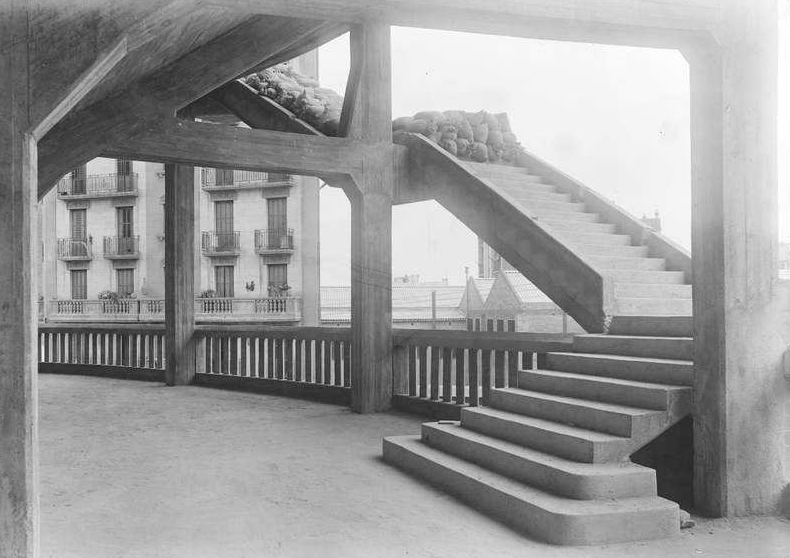
Les Corts is a residential neighborhood with shopping areas and commercial highrises, however, it also thrives with parks, green spaces and quiet squares where you can experience the local way of life. Camp Nou, home of the Barcelona Football Club and museum, is the neighborhood's biggest landmark. It's a well-to-do residential area, safe and.
Camp de Les Corts i Can Gasparó campfutbol campsfcb stadiumfootball

Built in 1922, the Camp de Les Corts was a purpose-built stadium for FC Barcelona, replacing Camp de la Indústria. This was initially done to expand the capacity from 6,000 to an initial 22,000.. Camp de Les Corts would see Barcelona crowned as the first winners. The club's success saw a sudden and steep rise in attendances, leading to.
Camp Nou Stadium in les Corts, Barcelona, Spain Sygic Travel
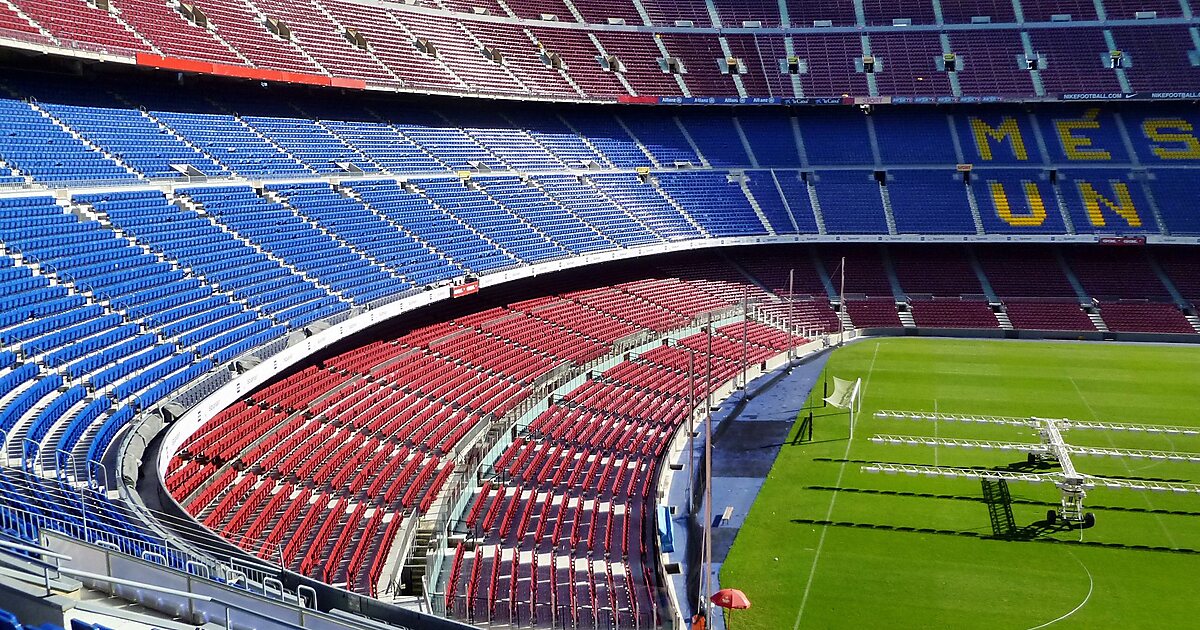
Barcelona Area Guide: Les Corts Barrio. The area Les Corts is a 15 minute metro ride from the centre of town and is well serviced by both Les Corts and Plaça Del Centro metro stops which are both on the green line, and the Estació Sants train station. The Sants station is a short walk from Les Corts and has direct trains to the Airport, and.
Tribuna nova al Camp de Les Corts campfutbol campsfcb

Camp de les Corts - Primera pedra.JPG 1,536 × 2,048; 1.35 MB. Camp de les corts 1930.jpg 400 × 277; 96 KB. Camp de les Corts. Aniversario Academia Granés. 25 de abril de 1964. 12.jpg 1,241 × 845; 329 KB. Camp de les Corts. Aniversario Academia Granés. 25 de abril de 1964. 13.jpg 1,236 × 846; 216 KB. Camp de les Corts.
Pin en Camp de Les Corts

The area now occupied by the Les Corts district was very sparsely populated, with just a few agricultural farms, between the 12th and start of the 19th centuries. Located to the west of the city, it was a free territory that lacked a municipality and was directly tied to royalty. This would explain why the Reial Monestir de Santa Maria de.
The tiny Barcelonas. Today let's discover the neighborhood of Les Corts

The stadium replaced Barcelona's previous ground Camp de les Corts, which, though it could hold 60,000 supporters, was still too small for the growing support of the club. Camp Nou initially consisted of two tiers that could hold 93,000 spectators. It was first called Estadi del FC Barcelona, but got soon referred to as Camp Nou.
Remodelació Les Corts 1944 (ANC) campfutbol campsfcb stadiumfootball

The stadium replaced Barcelona's previous ground Camp de les Corts, which, though it could hold 60,000 supporters, was still too small for the growing support of the club. Camp Nou initially consisted of two tiers that could hold 93,000 spectators. It was first called Estadi del FC Barcelona, but got soon referred to as Camp Nou.
Antiguo Estadio de Futbol Club Barcelona. Camp de les Corts Fotografía
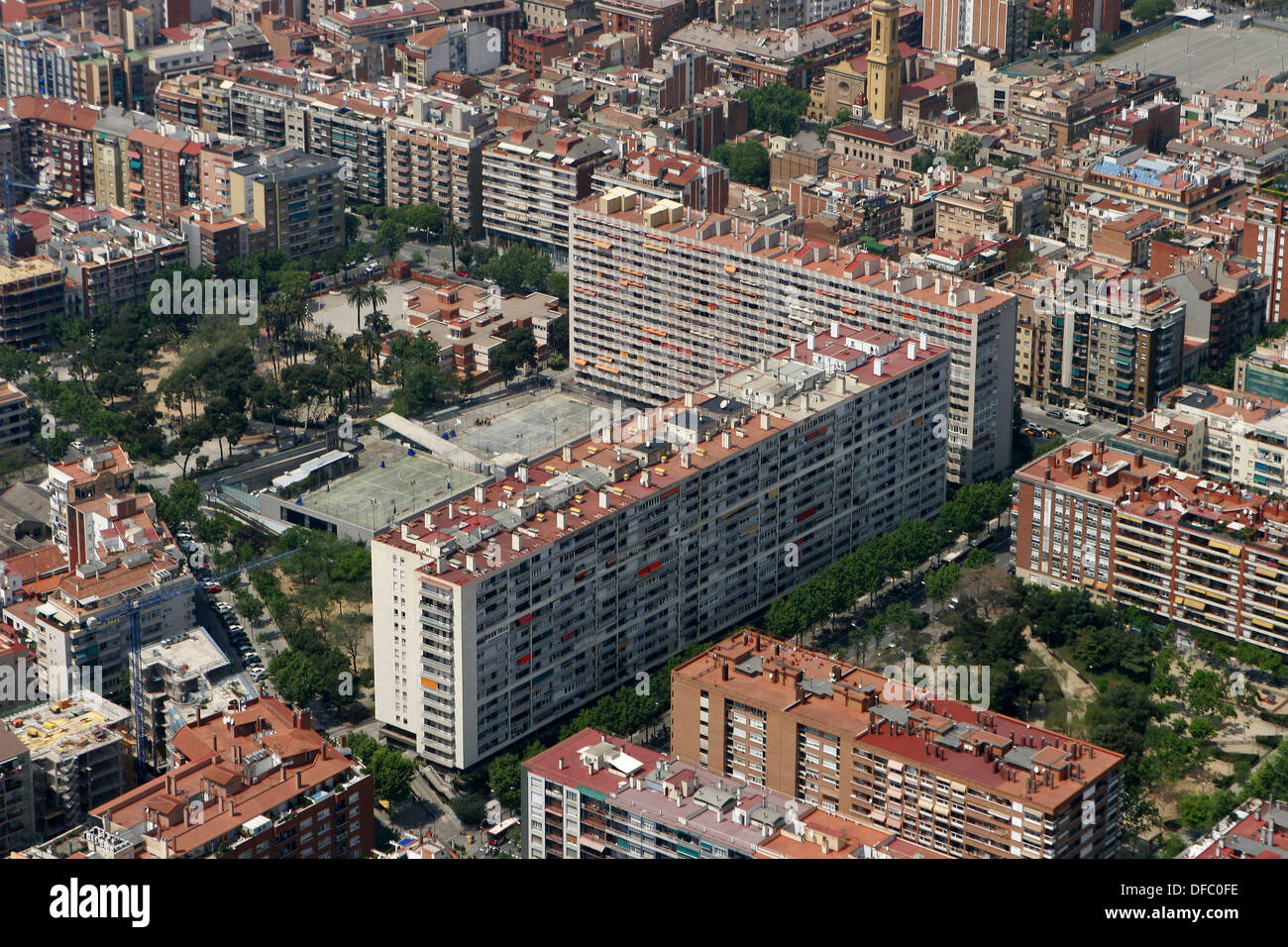
FC Barcelona (1922-1957) CD Condal (1934-1970) Camp de Les Corts ( Catalan pronunciation: [ˈkam də ləs ˈkoɾts] ), commonly referred to as Les Corts, was a sports stadium in Barcelona, Catalonia, Spain. It was the home for FC Barcelona until the club moved to the Camp Nou in 1957. It was also the home of CD Condal for the club's entire.
El Distrito de Les Corts Distritos de BCN Piso BCN
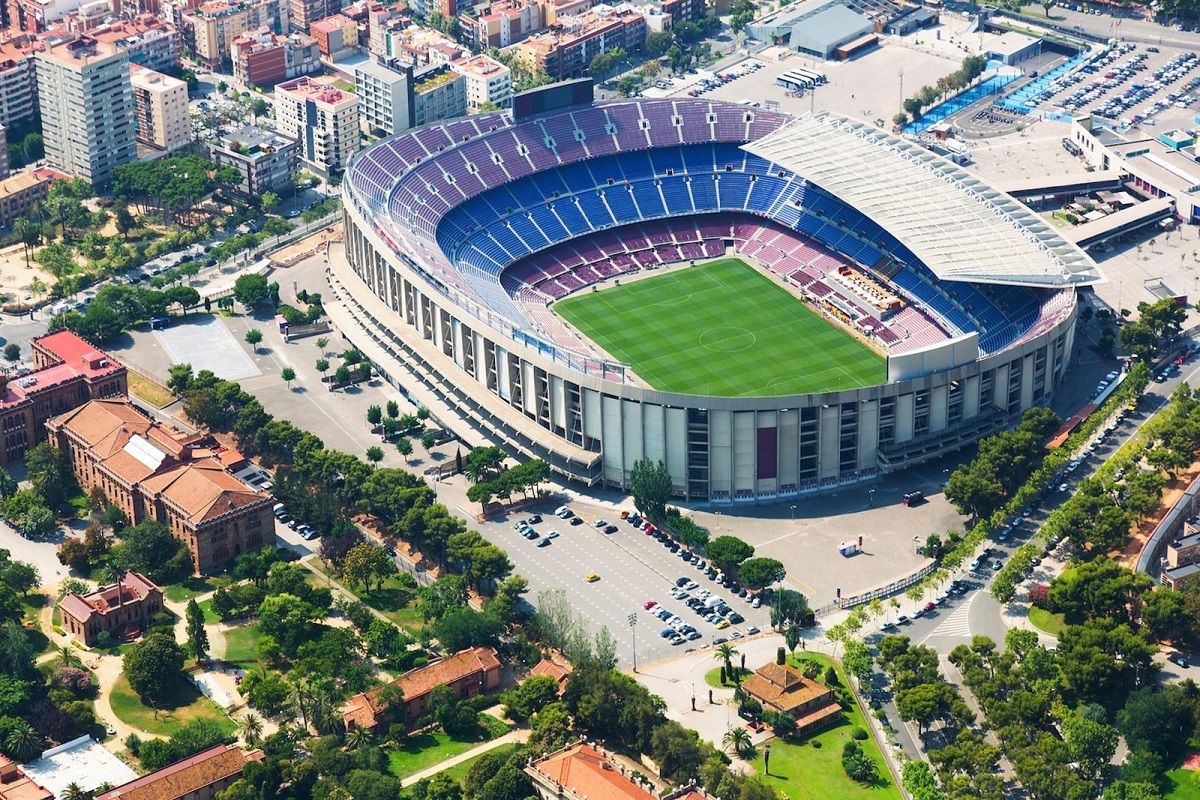
Les Corts es perfecto si deseas alojarte en una tranquila y elegante zona de Barcelona. Qué ver en Les Corts. Aquí se encuentra el museo más visitado de Cataluña. Se trata naturalmente del Camp Nou, sede del FC Barcelona y uno de los estadios más grandes de Europa. Este emblemática atracción de Barcelona, incluye el museo del club y una.
Pin en Camp de Les Corts

Camp de Les Corts, commonly referred to as Les Corts, was a sports stadium in Barcelona, Catalonia, Spain. It was the home for FC Barcelona until the club moved to the Camp Nou in 1957. It was also the home of CD Condal for the club's entire history.
BARCELOFÍLIA CAMP DE LES CORTS. FC BARCELONA. (19221966)

A unique city council was set with Sarriá. At the same time, the lands are located under the road known as Travessera de les Corts bacame a part of the Sants area. In 1822, during the Constitutional Triennium, Les Corts obtained a City Council but it was "absorbed" by the city of Barcelona in 1897.
.