TRANSFERRING DATA IN ANDROID USING SYNC ADAPTER 2 Content Provider
Tip 773 Video Guide to PowerApps Connection Options Power Platform
In android, An adapter is a bridge between UI component and data source that helps us to fill data in UI component. SimpleAdpater is used for customization of list or grid items. In Android, SimpleAdapter is an easy adapter to map static data to views defined in an XML file (layout). In android you can specify the data backing to a list as an ArrayList of Maps(hashmap or other).
Buy India, Maldives Power Plug Adapter Travel Set Ceptics, 20W PD & QC

For displaying a list of static data, the default adapter works great. However, in most use cases, RecyclerView data is dynamic. Take a todo list app for example: new items are added, and.
2” Adapter Arabel

To use a basic ArrayAdapter, you just need to initialize the adapter and attach the adapter to the ListView. First, we initialize the adapter: ArrayAdapter
Buy European Travel Plug Adapter, FOVAL EU/UK/US Power Strip with USB C

If you want to understand that executePendingBindings() line, head out to the original post for a great explanation. Next, we can create a base Adapter that will have most of the boilerplate we'll need for any Adapter we'll write. Our DataBindingAdapter will be a little different here because it'll extend ListAdapter: That's it, a super simple.
Haobase Universal Travel Adapter,Allinone Worldwide Travel Charger
Code. We are creating a custom ListView of by subclassing ArrayAdapter with the DataModel as the object. getView () is the method that returns the actual view used as a row within the ListView at a particular position. The content_main.xml contains the ListView as shown below. content_main.xml.
Cheap good goods The Hottest Design PICKIT 3.5 Programming Adapter Shop

Adapter The Adapter is a design pattern and used to convert one interface to work with another, e.g, data -> Adapter -> RecyclerView. That shows us that the data was adapted in order to be possible to display them in the RecyclerView. To accomplish this task, the Adapter interface needs to know: How many items the list has; How to draw an item
Universal Indian style 3 pin Travel Power Adapter Plug CalsoB
ArrayAdapter(Context context, int resource, T[] objects). In your case, this would be: ArrayAdapter
1m Dual Cable Adapter Primark
If you are an Android app developer probability is you would have implemented recyclerview. A Recyclerview is used to display a list of data. It can be things like a list of issues, a to-do list.
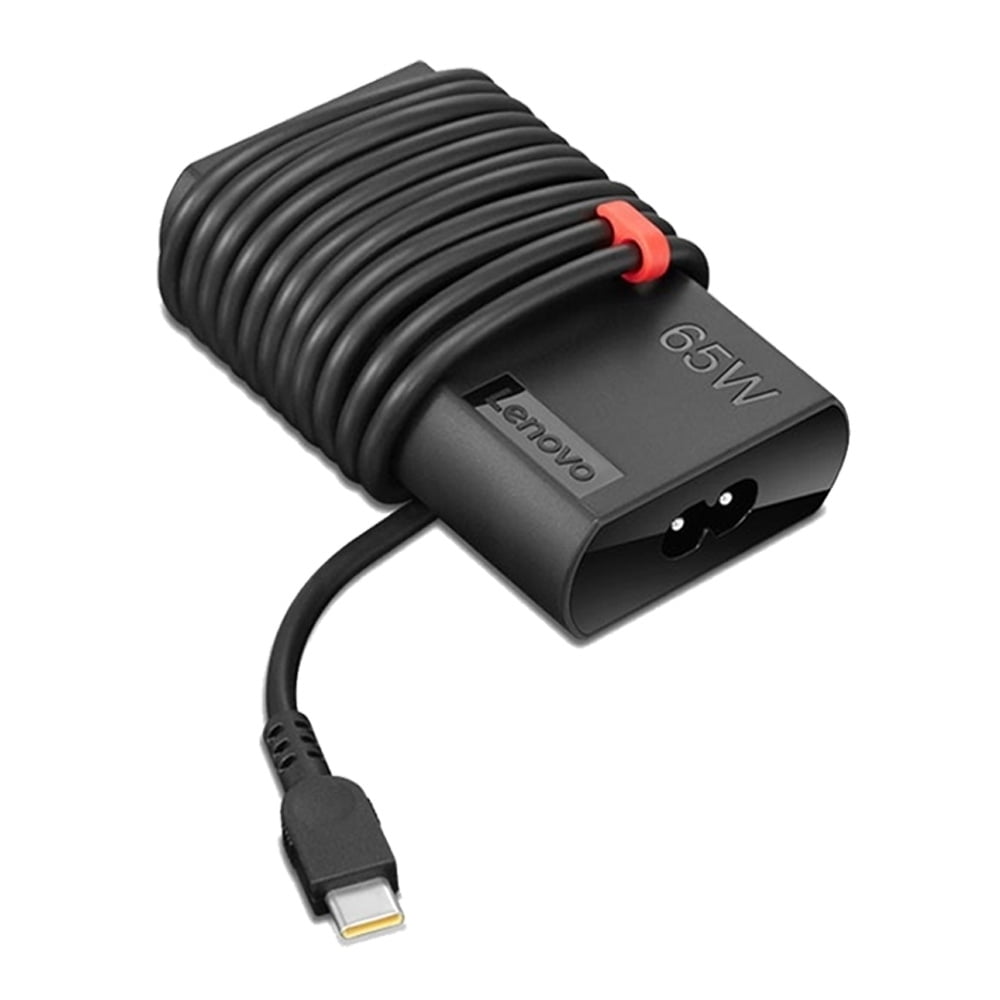
Lenovo Thinkpad 65W Slim AC Adapter With USBC, Black
The RecyclerView requests views, and binds the views to their data, by calling methods in the adapter. You define the adapter by extending RecyclerView.Adapter. The layout manager arranges the individual elements in your list. You can use one of the layout managers provided by the RecyclerView library, or you can define your own.
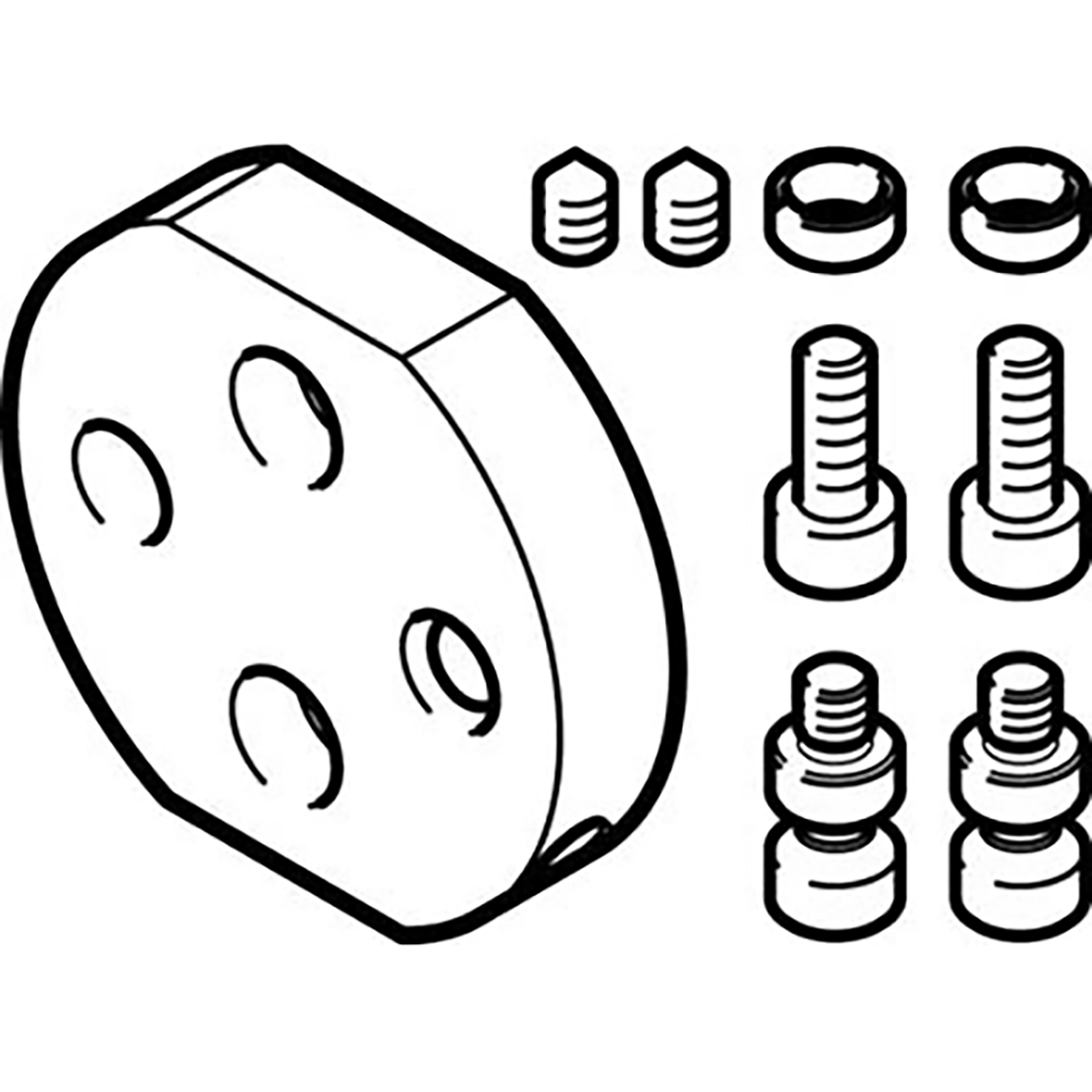
Adapter Kit Pneumatics Direct
Multiple ViewHolders inside the Adapter. Rest all the implementation of the custom adapter is same as the previous one, except the Multiple view adapter's class and the POJO will look similar to.
High voltage cable connectors hires stock photography and images Alamy
new int[] { R.id.listview_grouplist }); The top one should be pointing to a list layout, like android.R.layout.simple_list_item_1 The bottom one should be pointing to to a TextView, not a list view. Also, I don't see where you are binding the adapter to the listview. From the SimpleAdapter docs:
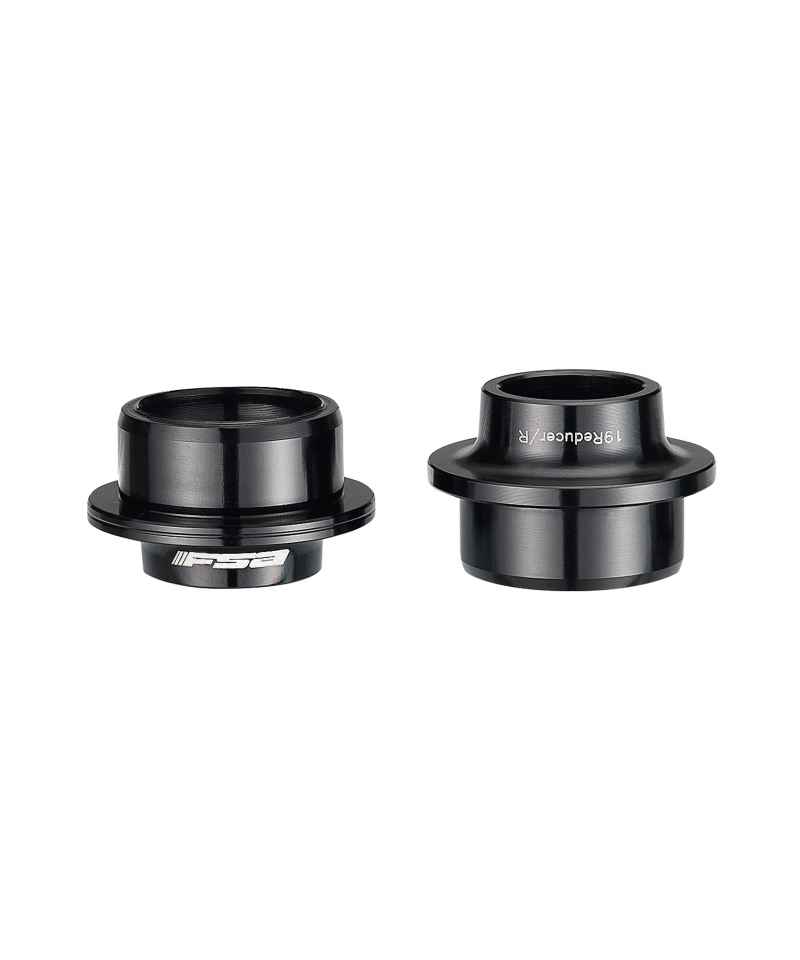
ADAPTER
2. You can subclass BaseAdapter and utilize the following methods: getItemViewType(int position) getViewTypeCount() getViewTypeCount() should return the number of different row types your adapter supports. getItemViewType() is where you implement the "decision" of which view type a particular row should have. If, for example, getViewTypeCount.

First create a layout: .