😍 Importance of formulating a hypothesis. HOW TO Defining Your Research Questions and
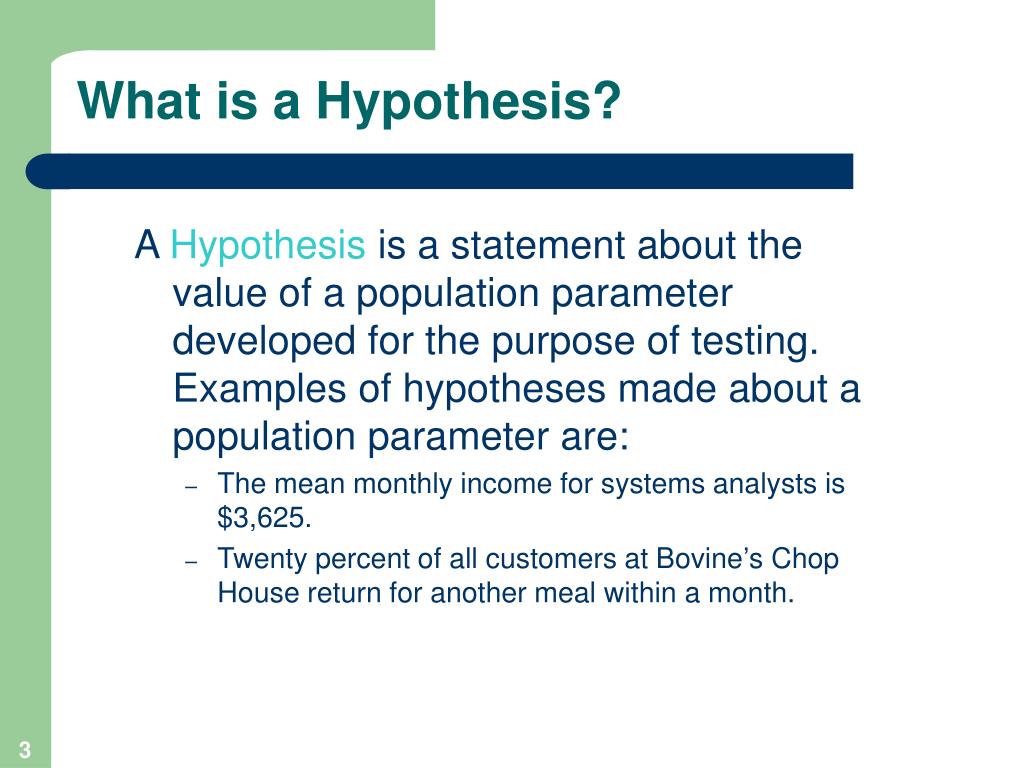
PPT One Sample Tests of Hypothesis PowerPoint Presentation, free download ID538061
The most widely accepted model of planetary formation is known as the nebular hypothesis.This model posits that, 4.6 billion years ago, the Solar System was formed by the gravitational collapse of a giant molecular cloud spanning several light-years.Many stars, including the Sun, were formed within this collapsing cloud.The gas that formed the Solar System was slightly more massive than the.
Research Hypothesis Definition, Types, Examples and Quick Tips

The nebular hypothesis is the most widely accepted model in the field of cosmogony to explain the formation and evolution of the Solar System (as well as other planetary systems).It suggests the Solar System is formed from gas and dust orbiting the Sun which clumped up together to form the planets. The theory was developed by Immanuel Kant and published in his Universal Natural History and.
hypothesis in research methodology notes

According to the most widely accepted hypothesis, the origin of the nuclear genome involved: An endosymbiotic relationship between an archaean and a bacterium In eukaryotes, genes involved in the transcription and translation are derived from_______.
Best Example of How to Write a Hypothesis 2024 AtOnce
The giant-impact theory is most widely accepted today. This proposes that the Moon formed during a collision between the Earth and another small planet, about the size of the planet Mars. The debris from this impact collected in an orbit around Earth to form the Moon. Lunar meteorite Dar al Gani 400. In 1998, this specimen was found in the.
hypothesis in research methodology notes
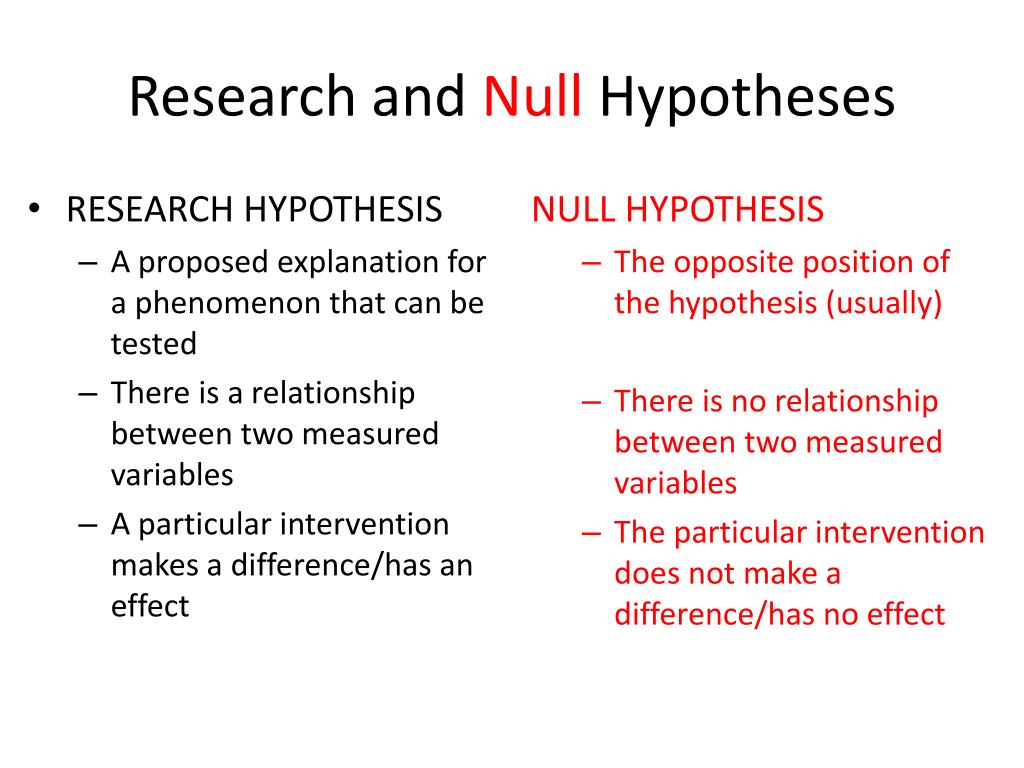
Figure 20.3C. 1 20.3 C. 1: Endosymbiosis in eukaryotes: The theory that mitochondria and chloroplasts are endosymbiotic in origin is now widely accepted. More controversial is the proposal that (a) the eukaryotic nucleus resulted from the fusion of archaeal and bacterial genomes; and that (b) Gram-negative bacteria, which have two membranes.
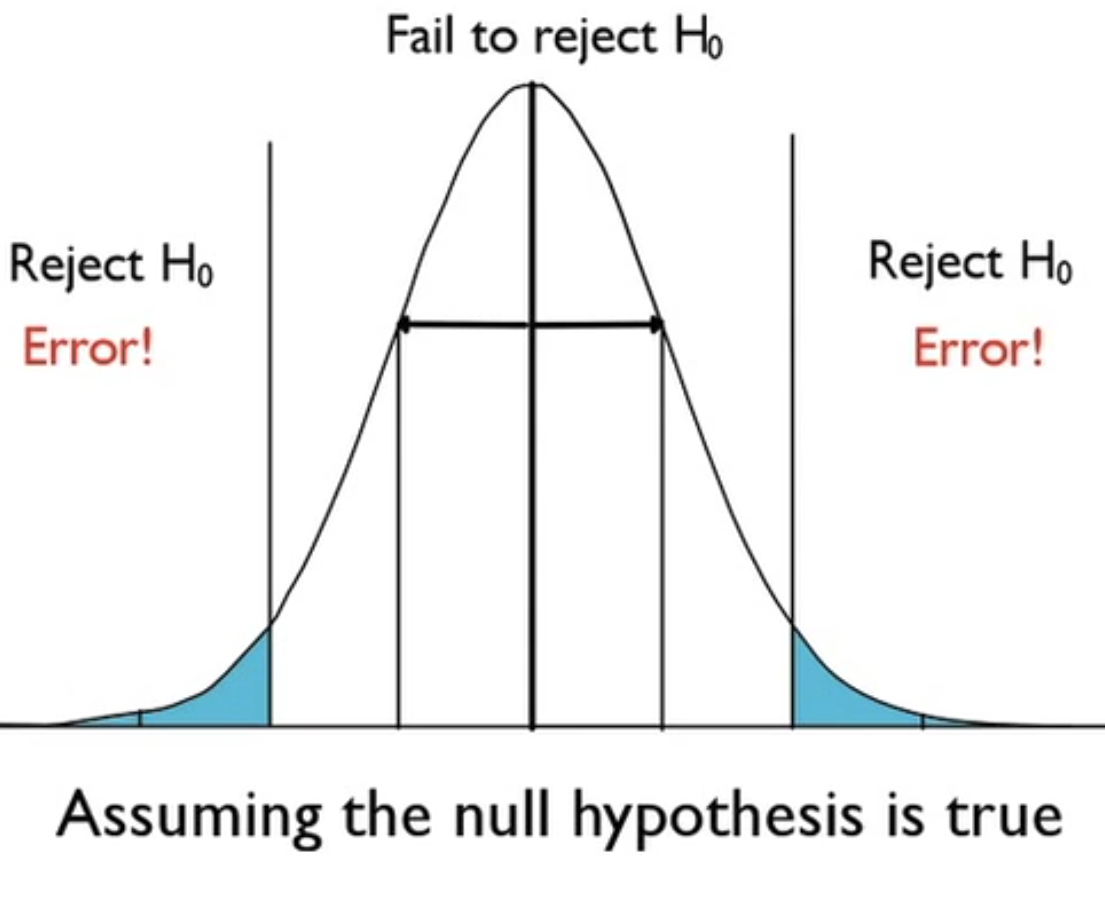
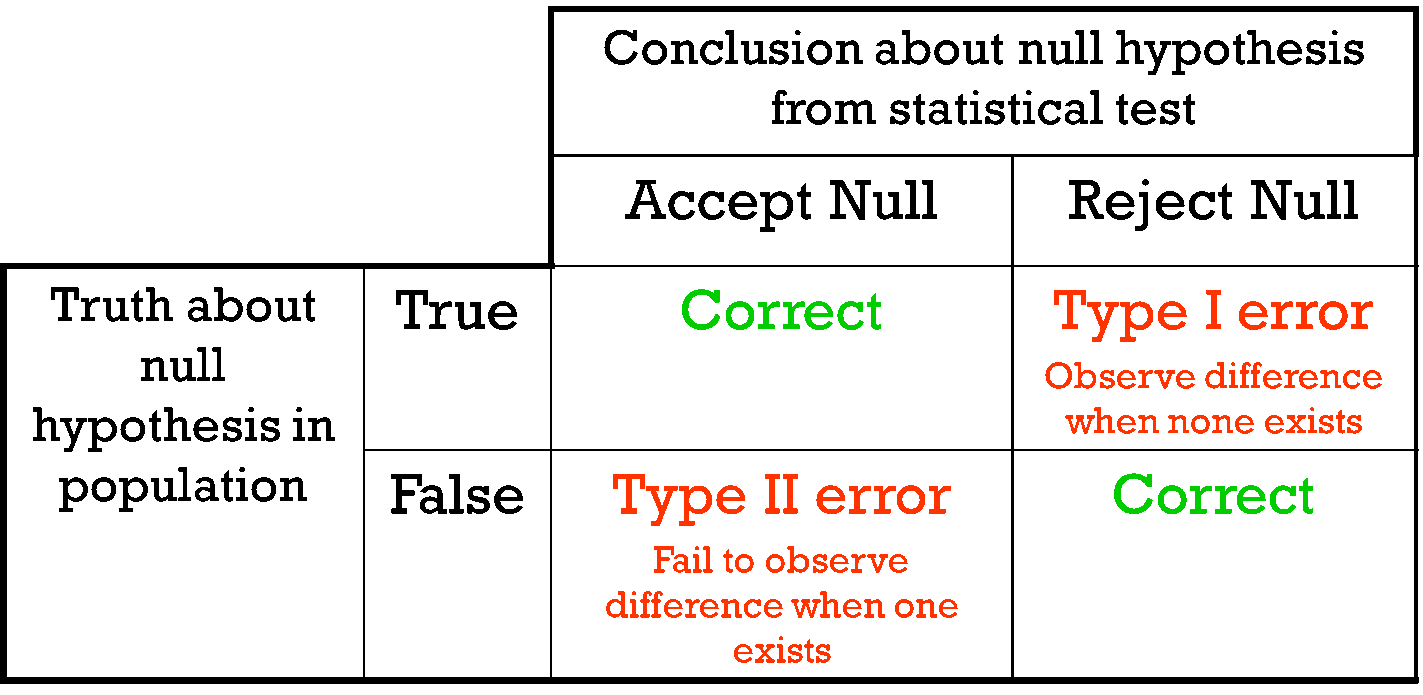
Significance Level and Power of a Hypothesis Test Tutorial Sophia Learning
The planet formation hypothesis, widely accepted for about a hundred years, has several serious flaws. The most serious concern is the speed of rotation of the sun. When calculated mathematically on the basis of the known orbital momentum, of the planets, the nebular hypothesis predicts that the sun must rotate about 50 times more rapidly than.
difference between hypothesis and prediction True Price Prediction
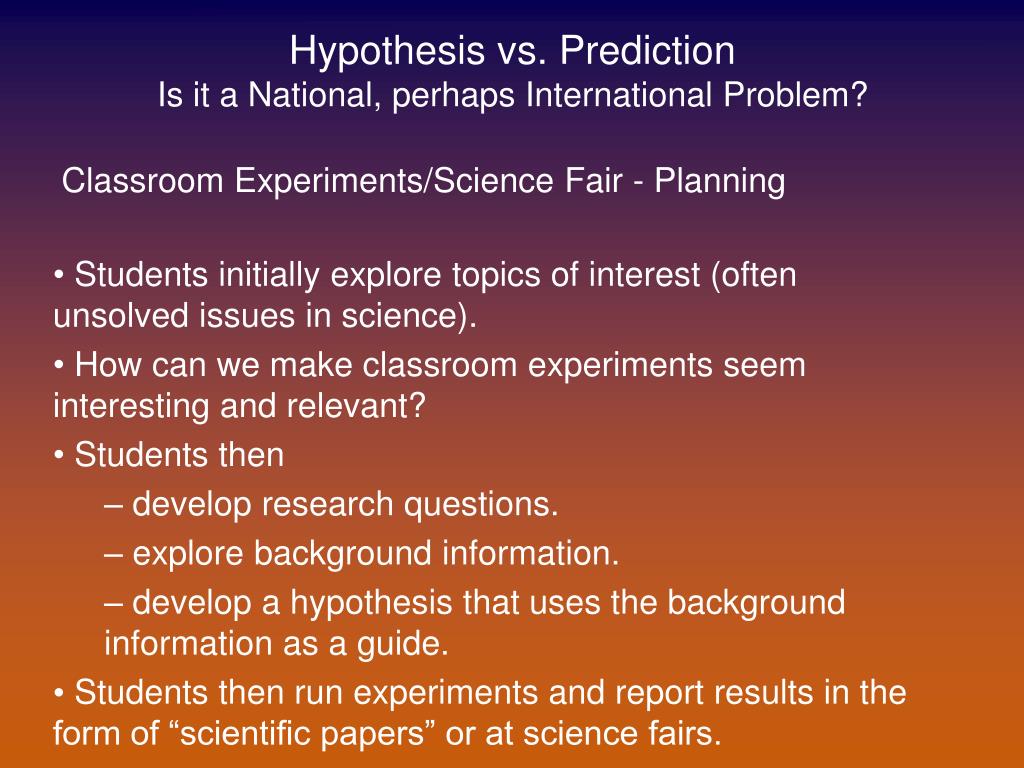
Figure 2.2.1 2.2. 1: Small protoplanetary discs in the Orion Nebula. Our solar system formed as the same time as our Sun as described in the nebular hypothesis. The nebular hypothesis is the idea that a spinning cloud of dust made of mostly light elements, called a nebula, flattened into a protoplanetary disk, and became a solar system.
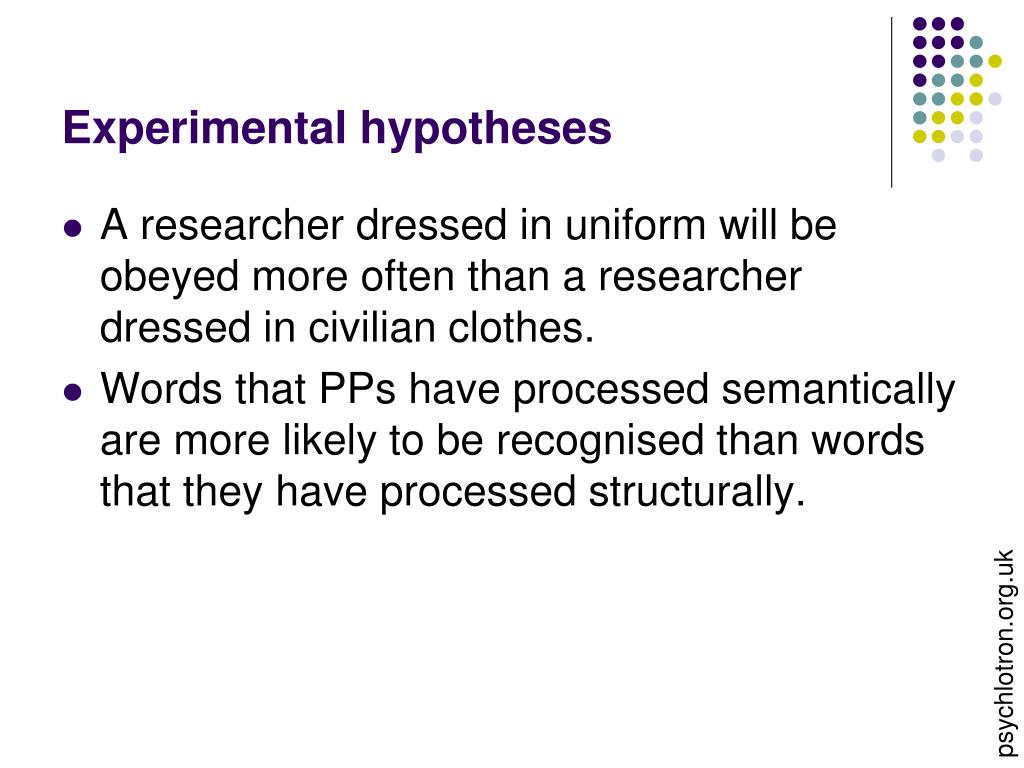
PPT What is a hypothesis? Give an example of a hypothesis, based on a study you know about
In just a few million years, the Solar System looked much like it does today, but between Venus and Mars there was not one planet, but two; according to the most widely accepted hypothesis, the subsequent collision between the Proto-Earth and Theia, another Mars-sized object, gave rise to our Earth and its Moon some 4.51 billion years ago.
🏆 Characteristics of a good hypothesis in research. [Solved] Identify the characteristics of a

Figure 8.2.1 8.2. 1: This disk is asymmetric, possibly because of a large gas giant planet orbiting relatively far from the star. As our solar system formed, the nebular cloud of dispersed particles developed distinct temperature zones. Temperatures were very high close to the center, only allowing condensation of metals and silicate minerals.
6 Steps of Hypothesis Testing The Algorithm

The most widely accepted explanation of how the solar system formed is called the nebular hypothesis. According to this hypothesis, the Sun and the planets of our solar system formed about 4.6 billion years ago from the collapse of a giant cloud of gas and dust, called a nebula. The nebula was drawn together by gravity, which released.
The theory which is today accepted as the most widely accepted theory about the origin of the

1. The Sun is already formed and rotating in Laplace's model, and its atmosphere extends beyond the distance at which the farthest planet would be created. 2. Knowing nothing about the true source of energy in stars, Laplace assumed that as the Sun radiated away from its heat, it would begin to cool.
How to write a hypothesis in 3 steps! YouTube

The most widely accepted explanation of how the solar system formed is called the nebular hypothesis. According to this hypothesis, the Sun and the planets of our solar system formed about 4.6 billion years ago from the collapse of a giant cloud of gas and dust, called a nebula.
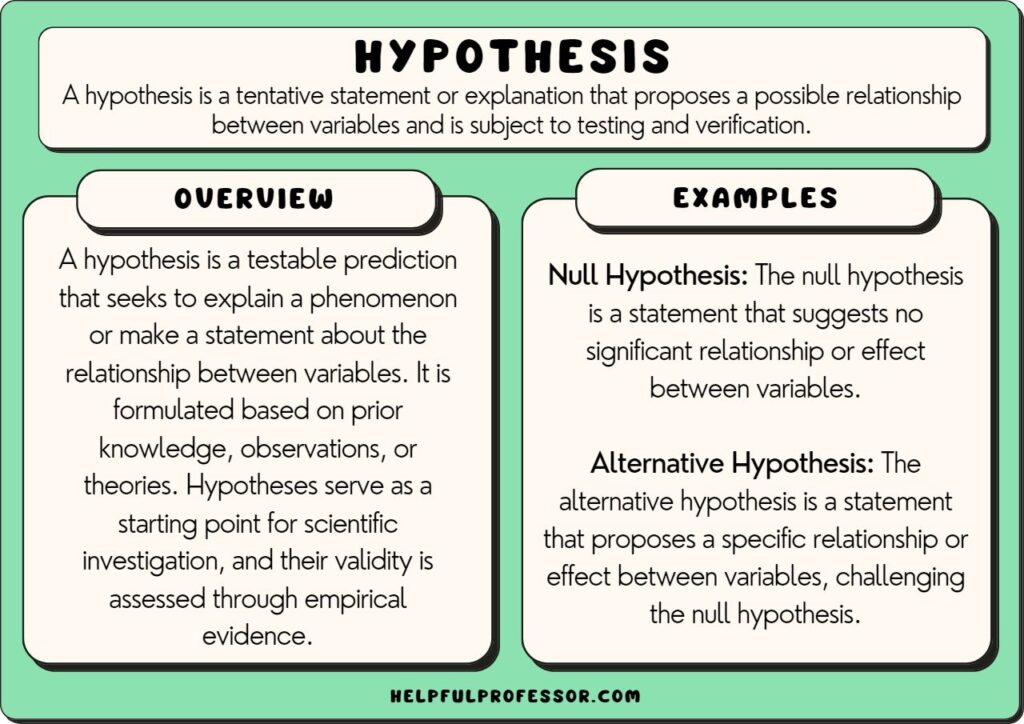
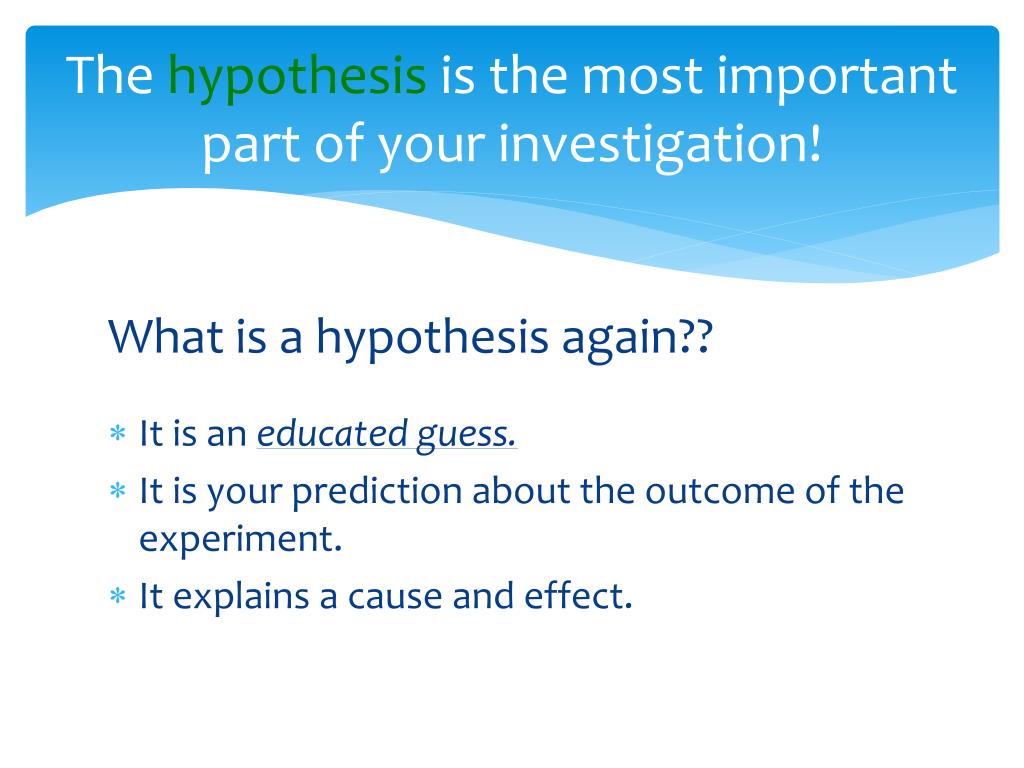
What is a Hypothesis Types, Examples and Writing Guide

Q-Chat. Study with Quizlet and memorize flashcards containing terms like According to the most widely accepted hypothesis, the origin of the nuclear genome involved?, The origin of the mitochondrion and chloroplasts by endosymbiosis, hypothesizes that these organelles originated by?, Miller and Urey's experiment was ground breaking because and.
Concept of Hypothesis Testing Logic and Importance
A widely accepted explanation for how the moon formed is the Giant Impact Hypothesis.; Lunar research began in earnest when Apollo astronauts brought moon rocks back to Earth in 1969.; We are.
How to Write a Hypothesis Types, Guide & Examples

Nebular Hypothesis: According to this theory, the Sun and all the planets of our Solar System began as a giant cloud of molecular gas and dust. Then, about 4.57 billion years ago, something.
PPT How to Write a Hypothesis PowerPoint Presentation, free download ID3491006
When Worlds Collided. Today, the most widely—accepted theory on the Moon's origin is the Giant Impact hypothesis, which holds that the Moon was formed from material hurled into space by this spectacular collision. The object thought to have hit the Earth was a Mars —sized body known as Theia, named after the mother of the Moon goddess in.
.